
Column: National security - and climate change

By David Suzuki
Prime Minister Mark Carney recently released “A Force of Nature: Canada’s Strategy to Protect Nature.” It describes a vision “that protects, restores, and values nature as a foundation of our economy, sovereignty, and well-being, leading at home and globally, to ensure healthy ecosystems, resilient communities, and prosperity for present and future generations.”
What’s the link between the federal government’s commitment to protect and restore nature and its much-discussed commitment to strengthen national security? It’s a good question.
“A Force of Nature” acknowledges that nature “provides essential defences. Wetlands absorb carbon and excess rainfall, forests prevent erosion, and healthy ecosystems reduce the impacts of severe weather. Protecting nature supports jobs, food security and Canada’s long-term competitiveness on the world stage.”
Yet when it comes to federal conversations about Canada’s security, talk centres on the armed forces — on building Canada’s military prowess — not natural forces. Reflecting this focus, the Canadian army has had its highest enrolment in three decades.
The 2024 federal report “Our North, Strong and Free: A Renewed Vision for Canada’s Defence” opens with a message from the defence minister: “One of the most important roles of any government is to protect its country and its people. In a rapidly changing world, we are committed to fulfilling this essential responsibility.”
Among other challenges, that report acknowledges security threats posed by climate change, stating, “Our Arctic is warming at four times the global average, opening the region to the world, which was previously protected by the Polar Ice Cap year-round. By 2050, the Arctic Ocean could become the most efficient shipping route between Europe and East Asia. We are seeing greater Russian activity in our air approaches, and a growing number of Chinese vessels and surveillance platforms are mapping and collecting data about the region.” Prime Minister Carney also released a plan to defend the North.
But what about Canada’s obligation to protect its citizens from climate change and biodiversity loss impacts that threaten drinking water (pollution, plastics), the air we breathe (forest degradation), homes (floods and fire events) and food systems (droughts, pollinator declines)?
The federal government seems oblivious to the connection between security and halting and reversing nature loss; there is a misaligned sense of passivity when climate change is identified as a threat. Yes, climate change is already here. But that doesn’t mean the government, which has the power to make laws and regulations, shouldn’t do everything it can to limit ongoing and future climate pollution that will exacerbate current threats, rather than building pipelines and approving new liquefied natural gas projects.
It’s possible to recognize that climate change and nature degradation are significant to national security, as evidenced by the United Kingdom’s 2026 national security assessment, “Global Biodiversity Loss, Ecosystem Collapse and National Security.” Its premise is that, “Nature is a foundation of national security. Biodiversity loss is putting at risk the ecosystem services on which human societies depend, including water, food, clean air and critical resources. The impacts will range from crop failures, intensified natural disasters and infectious disease outbreaks to conflict within and between states, political instability, and erosion of global economic prosperity.”
Canada gets a (dis)honourable mention in the U.K.’s assessment. It notes, “Ecosystem degradation is occurring across all regions. Every critical ecosystem is on a pathway to collapse (irreversible loss of function beyond repair)” and points to the “realistic possibility” of the ecological collapse of Canada’s boreal forest, starting in 2030.
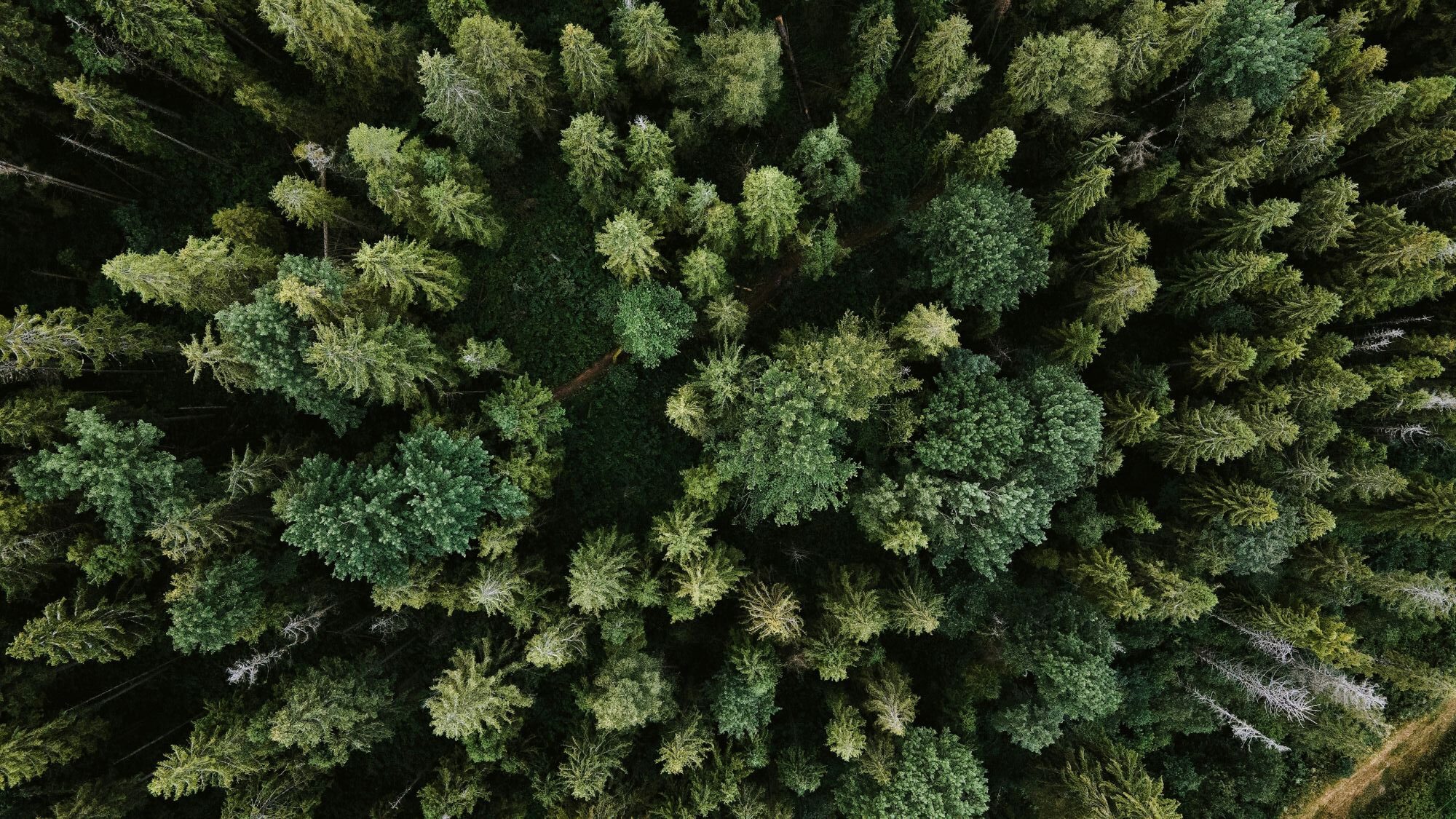
The boreal forest is often referred to as “the lungs of the planet,” as it purifies air and provides oxygen. It also sequesters and stores carbon — in trees, mosses, lichens and soil. It’s being degraded by climate change impacts, industrial logging, mining and oil and gas extraction.
The U.K. doesn’t stand alone. The World Economic Forum’s “Global Risks 2026” report ranked threats by severity, identifying the top three long-term risks as extreme weather events, biodiversity loss and ecosystem collapse, and critical change to Earth systems.
Clearly security isn’t merely a matter of protecting against invading armies. Canada’s approach must be integrated. Happily, the federal government can feed two birds with one seed: protecting and restoring natural ecosystems can support national security and deliver on Canada’s commitments outlined in the new nature strategy.
David Suzuki is a scientist, broadcaster, author and co-founder of the David Suzuki Foundation. Written with David Suzuki Foundation Boreal Project Manager Rachel Plotkin.
Learn more at davidsuzuki.org.