
Column: Crises, political choices, and opportunities for a better world

By David Suzuki
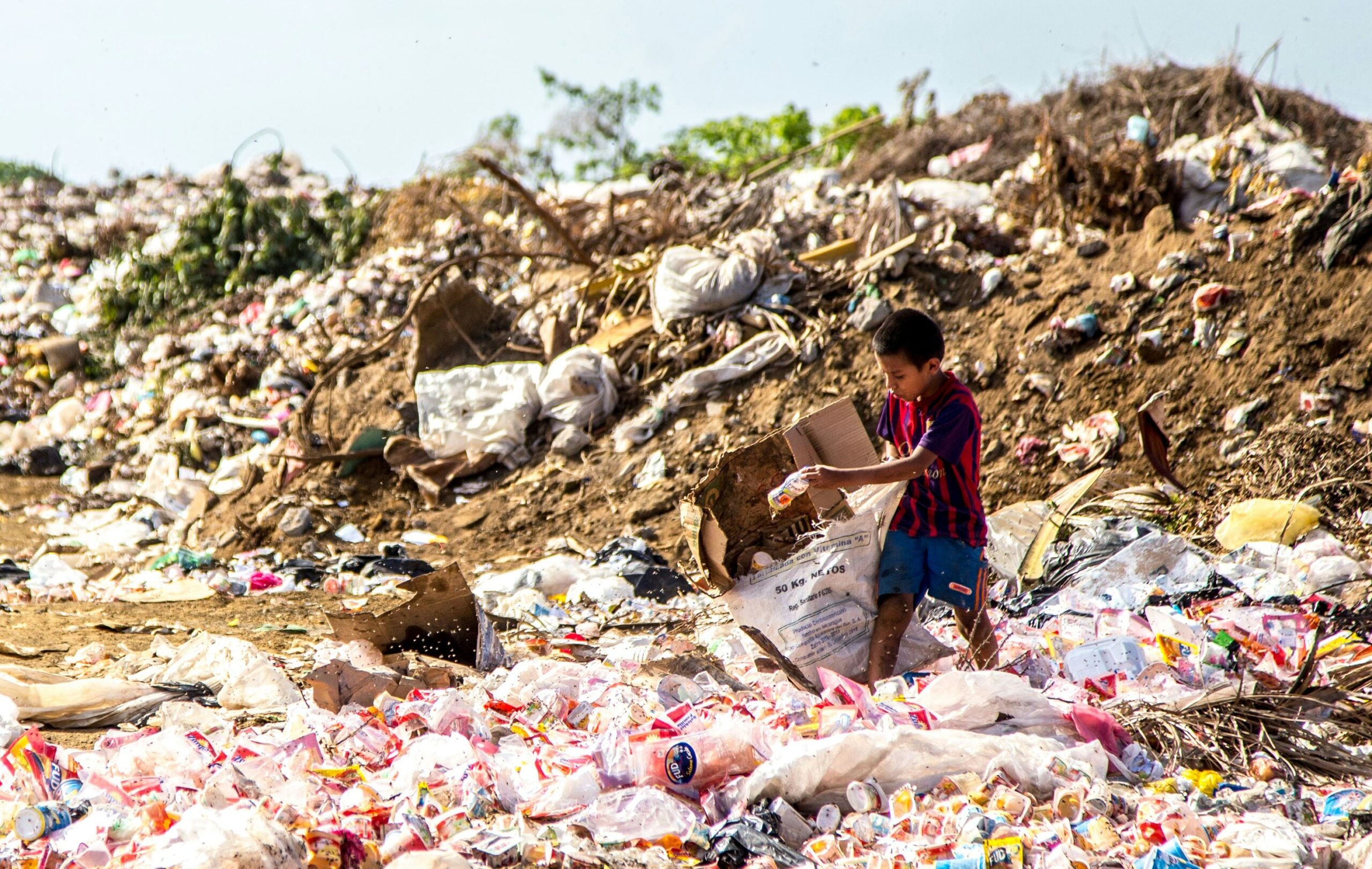
The climate crisis is not simply an isolated technological challenge. It’s part of a much larger “polycrisis.” After all, everything is interconnected.
The magnitude of this “system disequilibrium,” as Canadian author, social scientist and Cascade Institute executive director Thomas Homer-Dixon calls it, can cause a sense of hopelessness, but it is resolvable — with major changes in the ways we conduct ourselves on this small planet.
That’s the message of a comprehensive new study. The World Inequality Lab’s “Global Justice Report: A Plan for Equality & Prosperity Within Planetary Boundaries” — by 45 authors using databases compiled by more than 200 researchers from around the world — states that “it is possible to reconcile planetary habitability and high well-being for all, but only if the transformation rests on three pillars simultaneously.”
The pillars are rapid decarbonization of energy systems, a shift from overconsumption toward “sufficiency” (including reduced labour hours and raw materials use and large changes in food habits, land use and forest cover) and a “drastic reduction in inequality of income, wealth and power” between and within countries.
This will require significantly altering the power structures that now govern our world and that are driving us toward calamity. It would include “hefty wealth taxes on billionaires, sharp reductions in working hours, a change in diets and a shift of investment from materially intense sectors, such as industry and mining, to education and health,” the Guardian reports.
The majority of humans would benefit, as it would double the incomes of 89 per cent of the world’s population by 2100 and keep global heating below 2 C above the preindustrial average. It would also reduce the average workweek to about 2.5 days, increasing leisure time.
Wealth inequality would be sharply reduced, with the poorest half of humanity increasing its portion from two to 30 per cent, while the billionaire class would see its share fall from six to 0.05 per cent.
“Close to 90% of the world’s population would double their income between 2026 and 2100, and once leisure and a habitable planet are counted, more than 99% come out ahead,” WIL co-director and Paris School of Economics professor Thomas Piketty and others wrote in a Guardian article.
Piketty says the ideology of people currently in power or rising in the United States and many other countries can’t deliver what most of humanity needs.
“At the end of the day we’ll have to come to this kind of cooperative redistribution of resources and power because the alternative will simply lead to disastrous outcomes both on the environment, on the climate, but also on social grounds,” he told the Guardian.
Homer-Dixon argues that, although the interrelated crises may seem dire, they also present opportunities. That requires understanding how they connect, and how feedback loops exacerbate the problems. For example, fossil fuel consumption leads to climate change, which produces economic costs. “As people feel less economically secure, they support authoritarian leaders, but that then leads to a backlash against green policies, undermining efforts to reduce fossil fuel consumption.”
The opportunity, he says, is that this “delegitimizes the existing way of doing stuff, the existing vested-interest stakeholders who are hunkered down and don’t want anything to change.”
The Cascade Institute and the WIL report attempt to understand the holistic nature of the polycrisis to find solutions. Given that one underlying cause is wealth hoarding and inequality, the backlash from the ultra-wealthy and their political backers will likely heat up. The “Global Justice Report” notes that average per capita gross national income worldwide would increase for almost everyone but, “The exception would be the mega-rich, who would be highly taxed because they are most responsible for the climate crisis.”
As well as taxing the overly affluent, the report recommends measures such as “a global justice fund to finance the energy transition and oversee an increase in education and healthcare spending” and “a world sovereign fund, which would rebalance global holdings of public and private wealth closer to proportions last seen in 1970.”
It concludes that a better, more equal world is materially possible. “What stands in the way is not technical impossibility but political choice and the hard but crucial work of building a coalition behind it.”
It’s a coalition we should all get behind.
David Suzuki is a scientist, broadcaster, author and co-founder of the David Suzuki Foundation. Written with David Suzuki Foundation Senior Writer and Editor Ian Hanington.
Learn more at davidsuzuki.org.