

By The Conversation
By Rassim Khelifa, Assistant Professor, Department of Biology; Canada Research Chair Tier 2 in Global Change Biology, Concordia University
Lobster had one of the greatest reputation makeovers in food history. Once treated as “food for the poor,” it is now served in expensive restaurants, dipped in butter and presented as a delicacy.
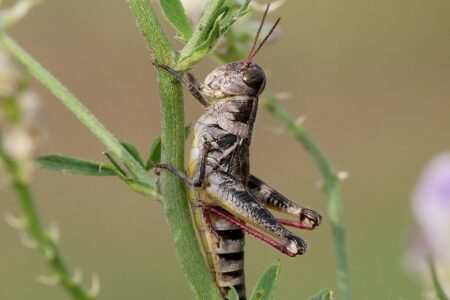
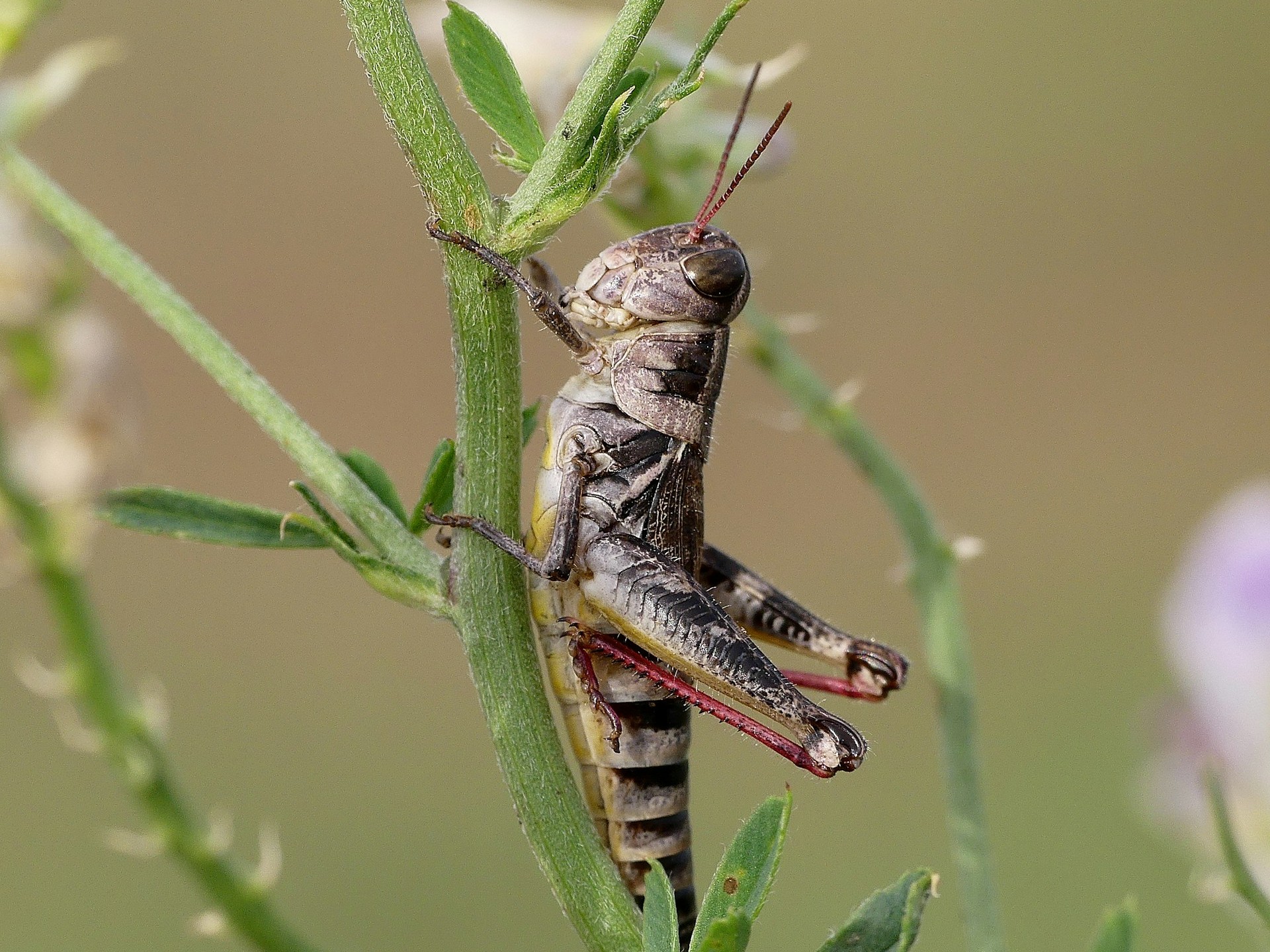
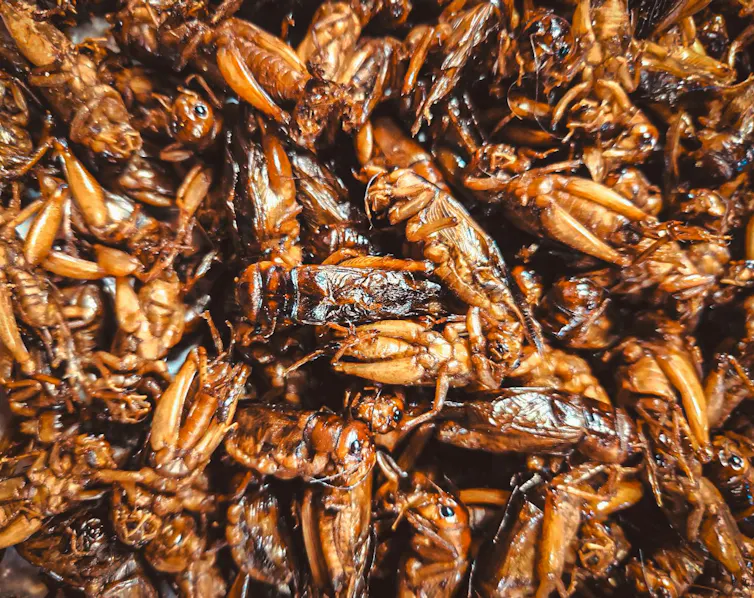
Insects may be next. More than two billion people already eat grasshoppers, caterpillars, ants, beetles and crickets — within varied food traditions across Africa, Asia and Latin America. They are valued for their taste, availability and nutritional content.
In Canada, however, insects are still more likely to be associated with infectious diseases than nutrition. We may happily eat shrimp, crab and lobster, but a cricket somehow crosses a psychological line, eliciting disgust.
Or does it? Our survey of adult visitors at the Montréal Insectarium revealed that 44 per cent of participants were open to eating insects. And around 87 per cent preferred products where the insect component was not visible, such as baked goods made with insect flour.

Alternative protein
Our food system is under pressure. Global demand for protein is rising, while conventional livestock production requires large amounts of land, water and feed. It also contributes to greenhouse gas emissions and other environmental problems.
This has pushed scientists, governments and food companies to look for alternative proteins such as lab-grown meat, 3D-printed food or highly processed plant-based substitutes.
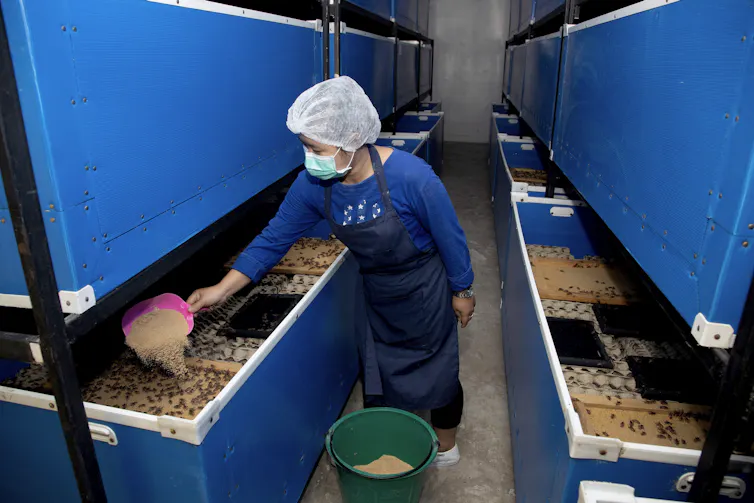
Insects, by comparison, are almost embarrassingly simple. They already exist, grow quickly and many species are rich in protein, fats, vitamins and minerals. Also, they can be farmed using way fewer resources than conventional livestock.
And yet, in a culture where people will add protein powder to almost anything, one of the planet’s most efficient protein sources still makes many people squirm.
Canadians are curious
In our recent study, published in Scientific Reports, we surveyed 252 adult visitors at the Montréal Insectarium to better understand how Canadians think about insect-based foods.
The results were more hopeful than a simple “yuck” story.
Overall, 44 per cent of participants expressed openness to eating insects. This included 18 per cent who had already eaten insects and would do so again, and 26 per cent who had not tried them but said they were willing to.
But curiosity is not the same as commitment. Only 27 per cent said they would include insects in their usual diet, and just 17 per cent said they would cook them at home. So, Canadians are not quite ready to replace chicken nuggets with cricket nuggets yet.
Disgust and fear
The clearest pattern in our study related to the visibility of the insects.
Participants were far more open to insect-based foods when the insects were hidden. About 87 per cent preferred products where the insect component was not visible, such as baked goods made with insect flour.
This shows that the barrier is not necessarily the ingredient itself. It is the image.
A muffin made with cricket flour still feels like a muffin. But a visible larva asks the eater to confront exactly what they are eating and for many people, that is where curiosity turns into disgust.
Disgust was the most common barrier in our study, reported by 70 per cent of participants. Others mentioned fear of insects, uncertainty about safety and health concerns.
These are not small obstacles. Food is emotional. We do not eat only with our stomachs. We eat with our memories, our cultural norms, our fears and our ideas of what belongs on a plate.
A familiar way to eat the unfamiliar
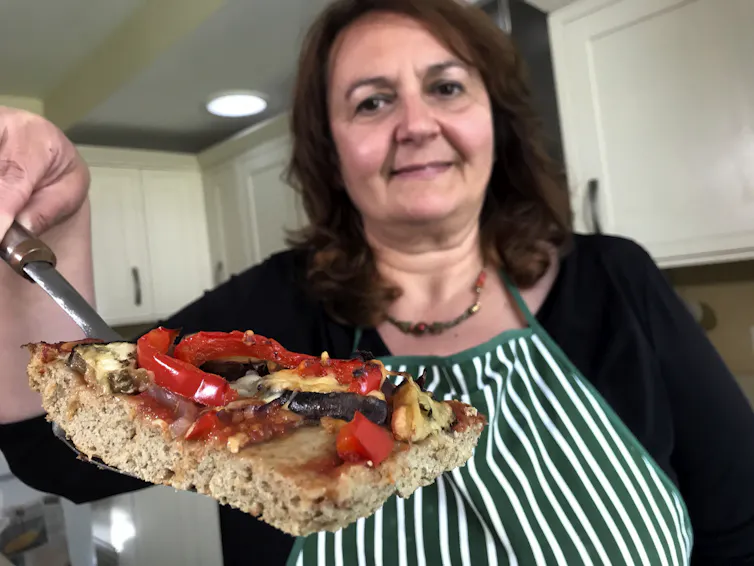
If insect-based foods become more common in Canada, this probably won’t start with whole fried beetles on restaurant menus. They may appear more quietly, inside foods we already understand: bread, muffins, pasta, protein bars, cookies, even pizzas.
People are more willing to try something unfamiliar when it arrives in a familiar form.
This does not mean disgust will disappear overnight. Food norms change slowly. Lobster did not become desirable because it became less strange looking. It became desirable because people learned to see it differently.
Our study suggests that most Canadians are not ready to fully embrace insects as everyday food, but they are not completely closed off either. Their openness depends on trust, safety, familiarity and, most of all, presentation.
The future of insect-based food will not be decided by protein content alone. It will be decided by whether insects can be accepted as safe and trustworthy “ingredients.”
It may begin with a simple cricket flour cookie. That may sound strange today, but so did lobster once.
Nadezhda Velchovska, undergraduate honours student in psychology with a minor in multidisciplinary studies in science at Concordia University, co-authored this article.