
Op/Ed: Mayor Andy Morel on the Record Ridge proposal
By Andy Morel, Mayor of Rossland
British Columbians expect that when the provincial authorities set rules for Environmental Assessments and project permitting those rules will be applied. Yet on Record Ridge, just outside Rossland in the West Kootenays, critical information appears to be incomplete or missing. There is no Human Health Risk Assessment, despite its proximity to communities and the presence of asbestos-bearing rock and heavy metals. There is no air dispersion modelling, despite certainty of dust generation. Key information is absent on water impacts and meteorology. Rock from with the actual pit area has not been tested for metal leaching and acid rock drainage. These are not small omissions. They are baseline requirements for responsible permitting in British Columbia.
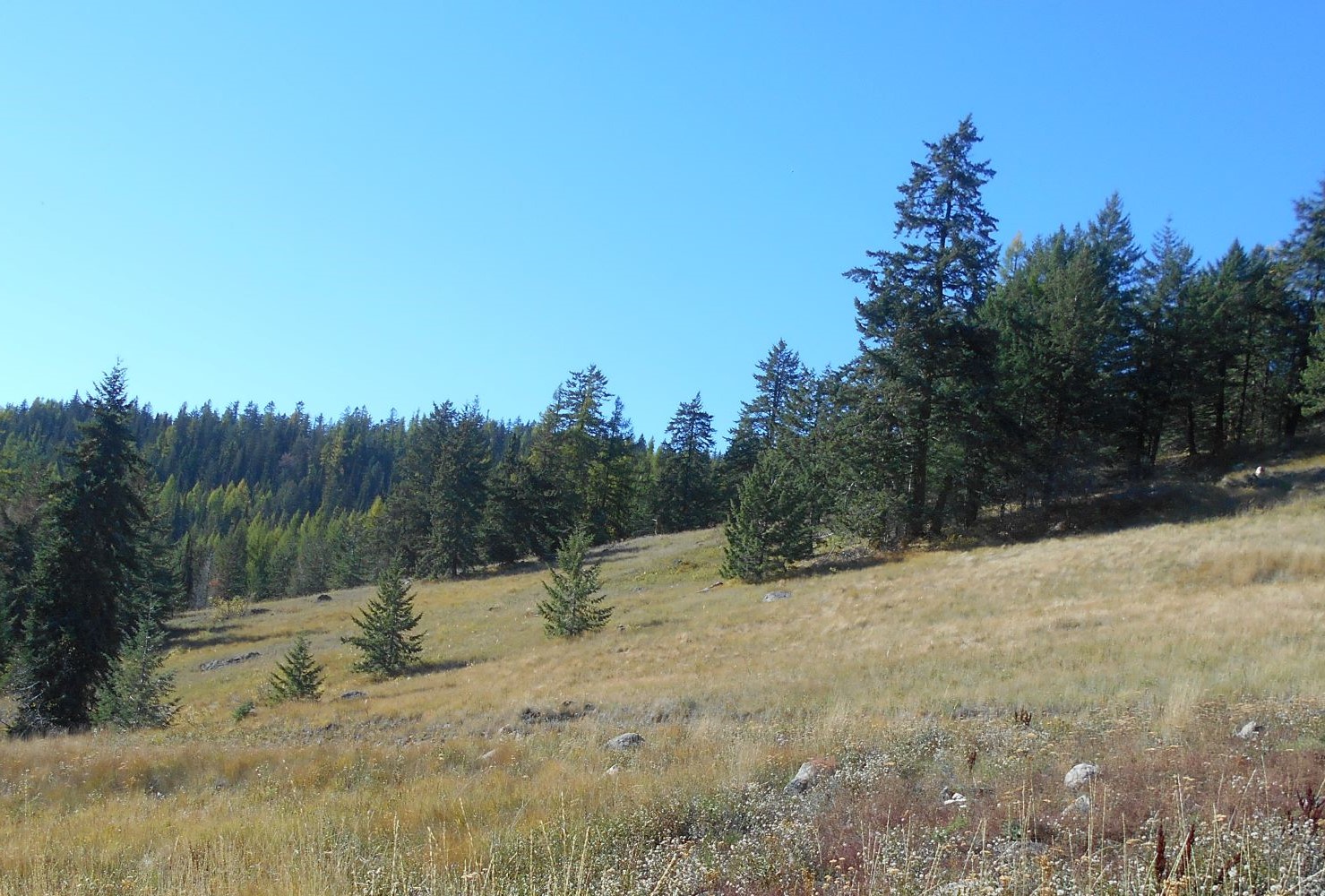
For nearly three years, Rossland has been dealing with a proposal for an open pit mine close to our neighbourhoods, homes, and recreation areas. As mayor, and RDKB regional director, I have heard sustained, overwhelming opposition from residents, businesses, health professionals, engineers, recreation groups, and neighbouring communities. Social licence simply does not exist.
But the issue before us is much larger than a single project. It is about whether provincial requirements still mean what British Columbians believe they mean.
In the summer of 2024, the Environmental Assessment Office determined that the Record Ridge mine requires an Environmental Assessment. A few weeks later the proponent presented a new production figure – about a third of the original – which came in under the threshold for an Environmental Assessment. The project itself remains essentially the same in its design, footprint, and infrastructure, yet the assessment is no longer required.
If production numbers can be changed after the fact to avoid an assessment and projects can be expanded later, then the threshold loses its meaning. Environmental protections only work when they are properly applied.
Similar concerns apply to the Mines Act permitting process. British Columbia’s Joint Application Information Requirements exist to ensure that complete, reliable information is provided before a mine permit is considered. These requirements include details essential to understanding environmental impacts, human health, transportation safety, reclamation, and water management.
Even with these deficiencies, the remaining permits are being advanced and approvals are continuing, even as the B.C. Supreme Court will soon consider the decision not to require an Environmental Assessment. Residents and citizens have been forced to step in and bear the cost of bringing these issues before the court, simply to ensure that the province’s own rules are properly applied. That should concern British Columbians. The court has already granted an injunction to stop work from starting, recognizing that this is a serious matter that must be heard and decided by the court. It is difficult to reconcile ongoing permitting with a process that is actively under review by the court and has already required judicial intervention.
At just 7 km from Rossland, Record Ridge would be the closest open-pit mineral mine to any municipality in British Columbia. It would also be within 2 km of a number of rural homes. That proximity alone raises important questions about how impacts are assessed.
There are also cross-border considerations. Record Ridge is immediately upstream of the Columbia River system, which British Columbia shares with Washington State, and airborne dust does not recognize borders. Washington State’s Department of Ecology has raised concerns about these and other potential impacts to its residents.
Economically, Rossland is a designated resort municipality, and for more than a decade, provincial, municipal, and private investment has gone into building a sustainable tourism economy rooted in the natural environment. That economy now contributes roughly $40 million annually and depends on the very landscapes that are now at risk.
This is not unique to Rossland. Communities across British Columbia – from Victoria to Vancouver, Whistler to Kelowna – depend on tourism, which is one of the province’s largest industries. People from across B.C., and beyond come to places like Rossland for clean air, beautiful forests, and world-class recreation. These are shared provincial assets, not just local ones.
Rossland recently co-hosted the B.C. Winter Games, welcoming athletes, families, and visitors from across the province. We were proud to showcase what makes this place special. That same landscape now faces the prospect of an open pit mine without the protections of an Environmental Assessment process that was previously deemed necessary.
If a project can require an Environmental Assessment one day, and then – although largely unchanged – no longer require one a couple of weeks later, then every municipality in British Columbia has reason to pay attention. This is not only about the mine itself, but about the precedent being set.
Communities across British Columbia depend on Environmental Assessments and permitting processes to function consistently and transparently. Those systems protect public health, local environments, and long-term economic stability. They are not suggestions. They are commitments made to the people of this province.
It is not too late. The province still has the ability to revisit this decision. It can require that this project be required to go through a full Environmental Assessment, ensuring that potential impacts to human health, water, air, and the local and regional economy, including tourism and small businesses, are properly and transparently evaluated.
As mayor of Rossland, I am asking the provincial government politicians and officials to uphold its own standards and maintain the integrity of the processes that British Columbians rely on. This is not just a Rossland issue. It is a question of trust in the systems that are meant to safeguard all our communities. It can also ensure that permitting requirements are strictly followed.