
Op/Ed: Climate change -- focusing on how individuals can help is very convenient for corporations
By Morten Fibieger Byskov, for The Conversation What can be done to limit global warming to 1.5°C? A quick internet search offers a deluge of advice on how individuals can change their behaviour. Take public transport instead of the car or, for longer journeys, the train rather than fly. Eat less meat and more vegetables, ...
Column: A 2020 vision for climate action
Let’s hope 2020 marks the start of a year and decade when we finally take climate disruption as seriously as the evidence shows we must. We understand the problem and know how to deal with it. Many solutions exist and more are being developed daily. Consuming less of everything, including energy, rapidly shifting to renewable...
COLUMN: From the Hill -- Canada's new Parliament, so far
It’s a new year, a new decade, and a time to look forward. The new parliament sat for two weeks in early December, time enough to get an indication how the government intends to move forward. Most Canadians want the government to work collaboratively with other parties to tackle the issues of our time, and the NDP is very ...
BC’s newest political party calls for investigation of RCMP actions and halt to pipeline construction
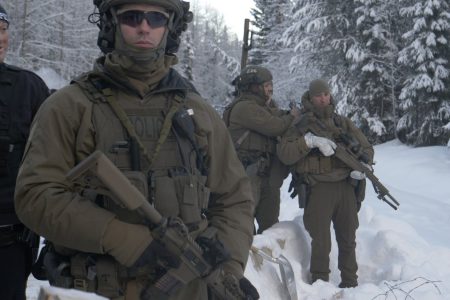
The BC Ecosocialists are the first provincial political party to respond to the revelations published in The Guardian on Friday, alleging that the RCMP planned to deploy snipers and were prepared to use extreme tactics including child apprehension in a raid on the Indigenous land defenders who continue to oppose the gas...
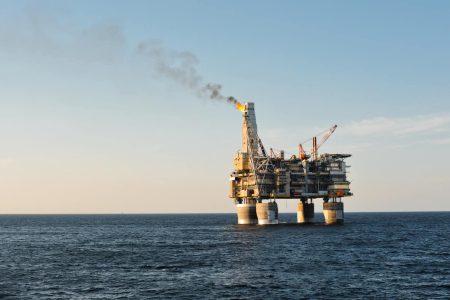
Explainer: Why the proposed Frontier oilsands mine is a political hot potato
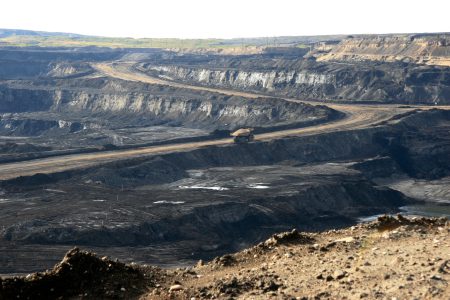
By Sharon J. Riley, for The Narwhal The fate of a massive new oilsands project is being seen as the litmus test for the future of the oilsands themselves. There’s a huge oilsands project that’s getting a lot of attention these days — and it’s not the Trans Mountain pipeline expansion. A massive new oilsands mine project...
Editorial Rant: The case for involuntary committal of certain politicians
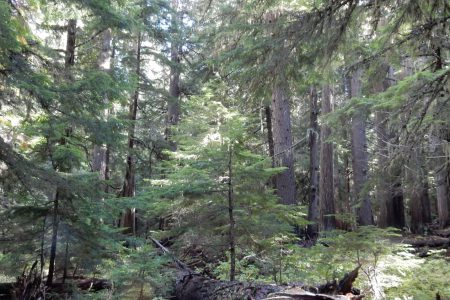
Many years ago, I helped the parents of a seriously disturbed young person by obtaining a court order for his involuntary committal. He had been delusional, and doing things that could easily have resulted in his own death. The parents had made one attempt on their own, but had failed to convince a court of the need to protect...
Opinion: The digital economy’s environmental footprint is threatening the planet

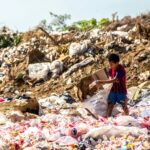
By Raynold Wonder Alorse, for The Conversation Modern society has given significant attention to the promises of the digital economy over the past decade. But it has given little attention to its negative environmental footprint. Our smartphones rely on rare earth metals, and cloud computing, data centres, artificial intelligence...
Editorial: An object lesson from Uzbekistan
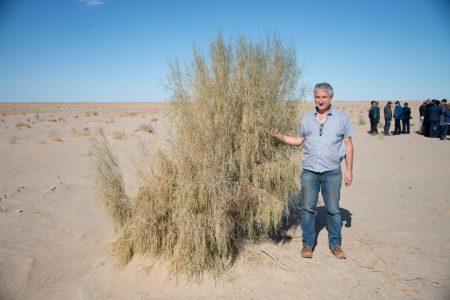
A Kootenay man, environmental consultant Michael Keefer who lives in Rossland and Cranbrook, was invited to go to Uzbekistan for a conference on solutions to the Aralkum Desert problem. While there, he toured the area and took many hundreds of pictures. When I sat down with Keefer, who told me fascinating tales ...
Explainer: Clean B.C. is quietly using coal and gas power from out of province. Here’s why
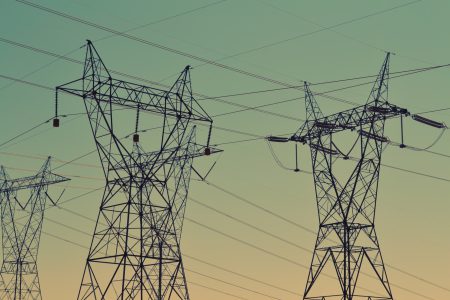
By Sarah Cox, for The Narwhal Behind the sheen of its CleanBC program, the province holds back hydro power to instead import cheap electricity from 12 states including Wyoming, Utah, Nebraska and Montana which generate 55 to 90 per cent of their power from coal British Columbians naturally assume they’re using clean power...
Bill 41 passes unanimously in BC Legislature
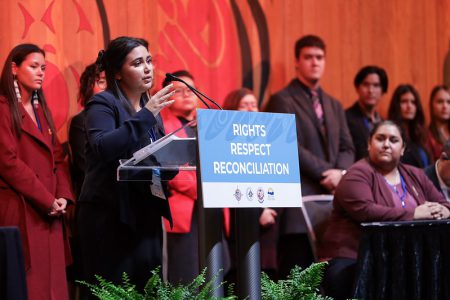
Scott Fraser, Minister of Indigenous Relations and Reconciliation; Regional Chief Terry Teegee, BC Assembly of First Nations; Cheryl Casimer, First Nations Summit; Grand Chief Stewart Phillip, Union of BC Indian Chiefs; and Adam Olsen, MLA for Saanich North and the Islands and member of Tsartlip First Nation, have issued the...