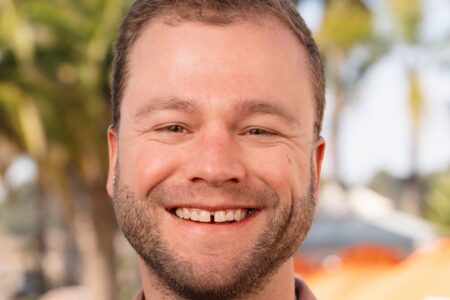

Candidate Mark Godin answers six questions

By Rossland Telegraph
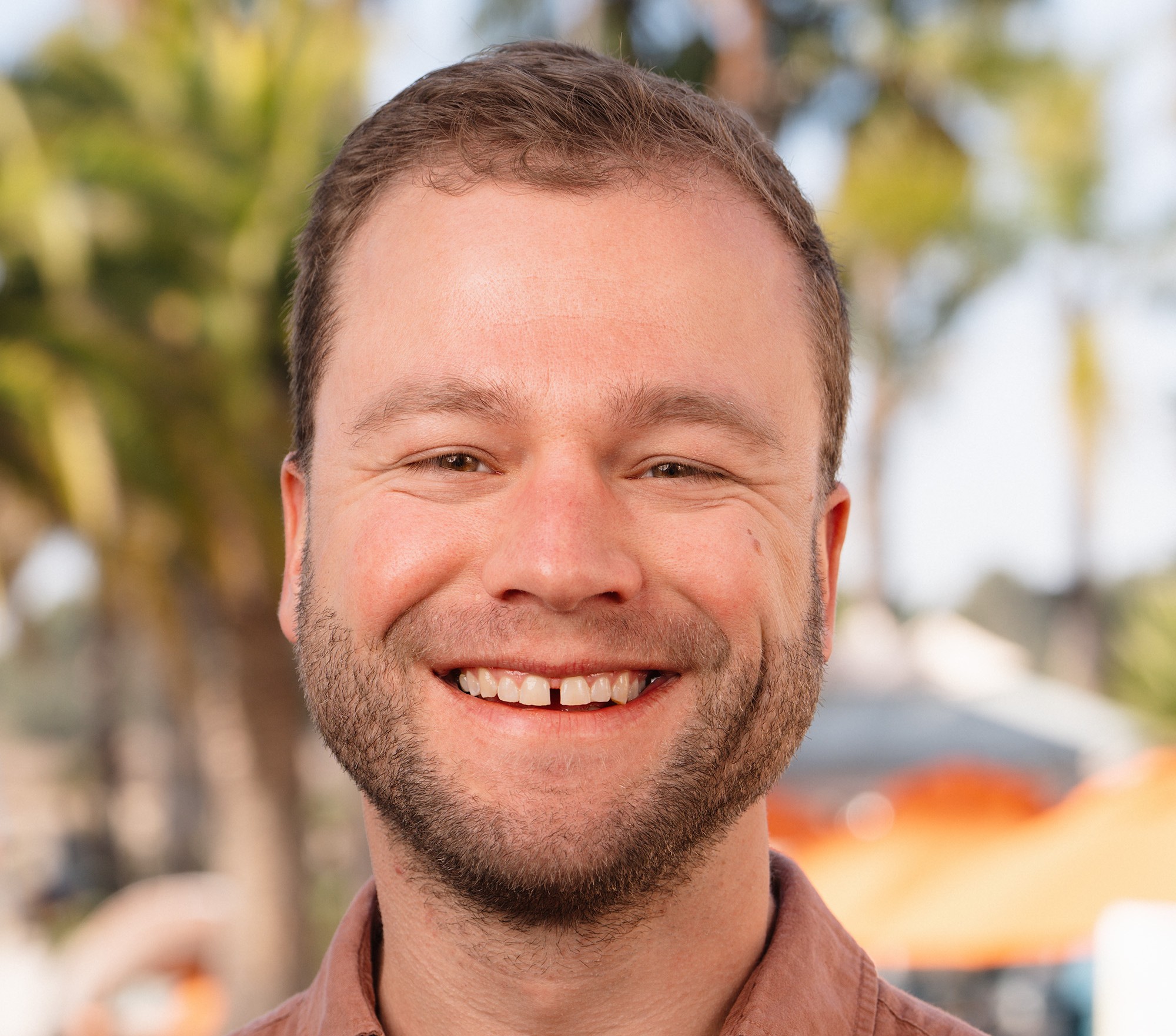
Editor’s Note: Mark Godin’s answers are posted separately here as they escaped my notice earlier — mea culpa, and my apologies to Mark.
Mark Godin:
- Why do you want to serve on City Council? What do you see as your strengths as a member of Council?
Five years ago, I chose Rossland as my home. A place to get outside, build friendships, and a community for the long term. I’m invested in this town.
I’ll be new to Council, but not Council’s work. Since moving here, I’ve read every single Council document (yes, all of them) because before asking for your trust, I wanted to understand how the city actually works. In my career, I’ve spent the last decade helping cities across North America run their transit systems more effectively; work that’s taught me to dig into budgets, procurement, and infrastructure planning without losing sight of the people those systems serve.
Council is a team, and every member brings something different. I’d be proud to serve with the guidance of our excellent Mayoral candidates. My strength is the fundamentals: the budgets, the plans, the unglamorous work that decides whether Rossland actually thrives. I’d be honoured to put that to work for Rosslanders.
- If Rossland must cut any services or lose any amenities to keep taxes manageable, which ones do you think are least essential and could be lost without impacting community life unduly? How much money would that save?
Roughly half of our city’s costs are capital projects, many of which are locked in years in advance, so my focus is on efficiencies there first, before cutting services or amenities.
Specifically, I’d work with staff to introduce better tender requirements that prioritize outcomes over technicalities, and meet directly with vendors to encourage more competitive bidding. Too many of our projects get only one bid, which drives up costs. I’d also work to diversify our tax base, so that homeowners and renters, who currently shoulder about 88% of our property tax revenue, aren’t the only ones funding everything.
I would also look for opportunities to increase funding sources, including amenity fees (for example, to go for a swim or a skate) and charges on new development, which could help fund community assets going forward.
If, after all of that, Council still faces a real shortfall, that’s a conversation I’d want to have openly with residents, service by service, rather than pre-deciding a cut on the campaign trail.
- Should Councillors explain their reasons at Council meetings for how they vote, when there is not unanimous agreement? Why or why not?
No. However, Councillors should make their reasons available to community members and media outside of Council Chambers. Good governance includes ensuring that council meetings proceed efficiently and that the body’s decisions are enforceable and grounded in unity. Successful motions are ‘decisions of Council’, not of Councillors. Explaining individual voting decisions would unmanageably lengthen council meetings and impair the validity of each decision. The correct time to express an opinion on a matter is during the existing debate period before each vote, not after the decision has been made.
- Do you understand the distinctions between municipal powers, provincial powers and federal powers? Explain. And, do you understand the meaning of the word “intermeddling” and how it may apply to the relationship between councillors and staff members?
Canada’s governance works because municipal, provincial, and federal powers work together rather than overriding one another. It can be frustrating for residents when provincial actions and decisions don’t align with our views. Part of my job is being honest about that distinction rather than pretending Council has more reach than it does. I can add value beyond Rossland’s own authority by communicating and, when appropriate, advocating to other levels of government to ensure Rosslanders’ interests are heard where decisions are made.
On staff: the Chief Administrative Officer is the only staff member who reports to Council, and I’d only direct staff through motions passed at Council meetings. But I don’t see that as a reason to be distant from the rest of the team. I want an ongoing, collaborative relationship with department staff, learning how their work actually happens, asking good questions, and being available. I just wouldn’t use that relationship to direct their day-to-day work myself. Our 44 staff members serve Rossland with their valuable work; they deserve all the support and engagement we can offer. Nothing could happen without them.
- It is not within Rossland, but if it happens it will affect Rossland, so what are your thoughts about the proposed open-pit mine on Record Ridge? What would be your position on it as a Council member?
I’m opposed to the development of the proposed Record Ridge mine, and I’ve personally contributed time and money to opposition efforts. I am endlessly thankful to the team of volunteers who have contributed their hearts and thousands of hours to bring our local voices to the fore throughout the process. Local mining is our legacy, not our future.
The mine itself is a provincial decision, not a City of Rossland decision, so my job as a Councillor is to ensure Rossland’s voice carries as much weight as possible in that process. I’d continue the City’s existing engagement on the Mine Development Review Committee and keep up direct pressure through our MLA and provincial officials. I wouldn’t create new City bylaws or policy on a decision that isn’t Council’s to make.
- Please give your opinions on climate change and municipal efforts to curb it. Do you think municipalities have an important role? What would you like Rossland to do?
Climate change affects everyone, and I’d argue it matters even more here than in most places. Rossland’s economy depends on reliable snow at the resort, and our surrounding forests put us squarely in wildfire country. This isn’t a distant issue for us; it’s tied directly to how we make a living and how safe our homes are.
That said, a lot of the policy levers that actually move the needle on climate change aren’t municipal levers at all. My approach is to focus on what’s actually within our control, things like FireSmart planning and wildfire-interface work, and building our infrastructure (retaining walls, stormwater, water supply) to withstand more extreme weather. I’d rather Council do a few concrete, locally controlled things well than adopt sweeping goals we don’t have the money or authority to deliver on.