
Find out how four candidates for Rossland City Council answer six questions

By Rossland Telegraph
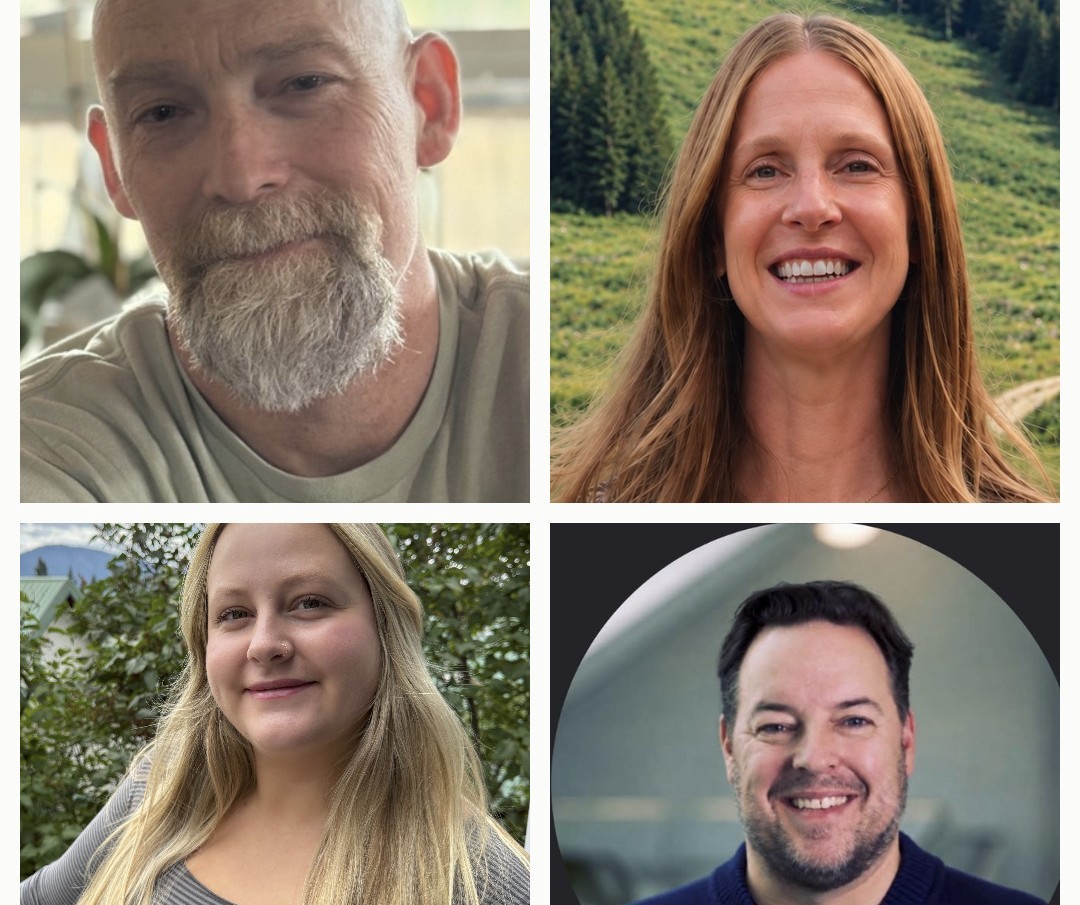
Editor’s Note: All council candidates received the same questions; responses have been edited only for obvious typos (there were hardly any) and to keep a very few answers within the 300-word limit.
Here are four candidates’ answers. We will publish more later today, and if we receive any answers from more candidates after that, they will be published later this week, or shortly after receipt.
Dan Eheler 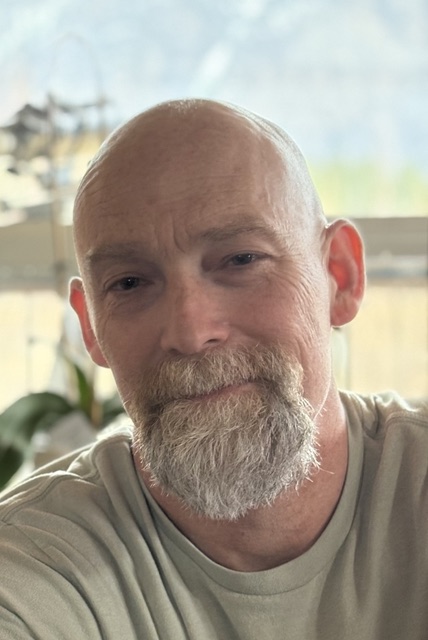
- Why do you want to serve on City Council? What do you see as your strengths as a member of Council?
I’m running because of the huge tax burden property owners in Rossland are about to face. With property taxes set to rise significantly over the next several years, I think council needs members who understand budgets and will fight to keep spending disciplined and taxes as manageable as possible.
My strengths: I’ve run multiple businesses here for over 20 years, so I understand working within a budget and being accountable for results. I served as President of the Rossland Chamber of Commerce and sat on the City’s Arena Task Force and Economic Task Force, giving me real experience with how the City operates. And I’ve built a reputation over two decades here for hard work and honesty.
I’m a practical problem-solver, not someone pushing an agenda. I want to weigh each issue on its merits, listen to residents and staff, and make decisions that are good for Rossland’s long-term health.
- If Rossland must cut any services or lose any amenities to keep taxes manageable, which ones do you think are least essential and could be lost without impacting community life unduly? How much money would that save?
Honestly, I don’t think the answer to Rossland’s budget pressure is cutting core services — I think it’s spending the tax dollars we already have more conscientiously, advocating that every dollar is spent wisely and not wasted, and being more aggressive about bringing in outside grant dollars.
That means council actively pursuing provincial and federal grant funding for capital projects instead of putting the full cost onto local taxpayers, looking at management overhead and streamlining procedures before cutting front-line operations, and being disciplined about which new projects get added to the books. Every dollar we can secure from a grant or partnership is a dollar we don’t have to raise through taxes or cut from services residents rely on.
I’m not going to pretend there’s an easy amenity to eliminate without real impact on someone in this community. My focus as a councillor would be on conscientious spending and stronger advocacy for outside grant funding first, before service cuts are ever on the table.
- Should Councillors explain their reasons at Council meetings for how they vote, when there is not unanimous agreement? Why or why not?
Yes. Residents elect councillors to make judgment calls on their behalf, and when a vote isn’t unanimous, that’s exactly when they deserve to understand why. A brief explanation shows a decision was genuinely considered, not just decided along personal lines.
It also creates accountability — if I can’t explain my vote in plain language, I likely haven’t thought it through well enough. It helps residents understand the trade-offs council is weighing, rather than guessing or assuming the worst.
That said, explanations should stay focused and respectful — a clear, honest reason for where you landed, not a re-argument of the whole debate.
- Do you understand the distinctions between municipal powers, provincial powers and federal powers? Explain. And, do you understand the meaning of the word “intermeddling” and how it may apply to the relationship between councillors and staff members?
Yes. The federal government handles things like national defence, immigration, and criminal law. The provincial government covers health care, education, highways, and natural resources — and it’s also the level of government that creates and oversees municipalities, through the Community Charter and Local Government Act. Municipal government handles what’s closest to daily life: water and sewer, local roads, garbage collection, zoning, parks, building permits, and local bylaws. That’s why, on something like Record Ridge, Rossland’s role is mostly advocacy rather than formal authority — approvals sit with the Province.
“Intermeddling” refers to individual councillors stepping outside their role and directly interfering with or directing staff in their day-to-day duties. Council’s authority is collective: council sets policy and direction through votes, and staff — under the Chief Administrative Officer — carry that out and manage daily operations. An individual councillor has no authority to instruct staff or insert themselves into operational decisions; doing so is intermeddling, and it’s prohibited by law because it blurs the line between governance and administration. Council’s job is to set direction and hold administration accountable collectively, not manage staff individually.
- It is not within Rossland, but if it happens it will affect Rossland, so what are your thoughts about the proposed open-pit mine on Record Ridge? What would be your position on it as a Council member?
Record Ridge isn’t within Rossland’s boundaries, and approvals fall almost entirely to the Province, but that doesn’t make it less important to us. I do not support any project that risks damaging the drinking water of downstream communities, local farmland, or recreation areas this region relies on — including the multi-generational farming families in the Paterson area whose land could be directly affected.
As a council member, my role would mostly be advocacy: pushing the City to formally raise these concerns with the Province and regional partners, supporting independent water-quality monitoring, and calling for a full environmental assessment before construction proceeds. If the project moves forward anyway, I’d want Rossland to explore a community benefit agreement so the region isn’t left out entirely.
A council seat doesn’t give me control over a provincial mining decision, but council should use every tool it has — its voice, regional relationships, and advocacy — to protect what’s at risk.
- Please give your opinions on climate change and municipal efforts to curb it. Do you think municipalities have an important role? What would you like Rossland to do?
Rossland is already feeling the effects of a changing climate — shorter snow seasons, hotter drier summers, higher wildfire risk. It affects our economy, water supply, and way of life, and I take it seriously.
Municipalities do have an important role, even with limited budgets and authority compared to the province and feds. Local government controls things that add up: water and waste management, development standards, and local infrastructure investment. Rossland committed to a 100% Renewable Kootenay Plan in 2019, and I think council’s job is to keep making steady, practical progress on it.
For Rossland, I’d like to explore local options for yard waste, lot clearing, and clean construction waste — right now there isn’t a good local solution, and this material is often hauled to Trail and buried at significant expense instead of being reused or diverted locally. I’d also prioritize reducing water loss through infrastructure repair, continuing smart energy-efficiency incentives, and supporting EV infrastructure as demand grows. One council can’t solve climate change, but steady, practical local action is exactly the role a municipality should play.
Tara McDougall
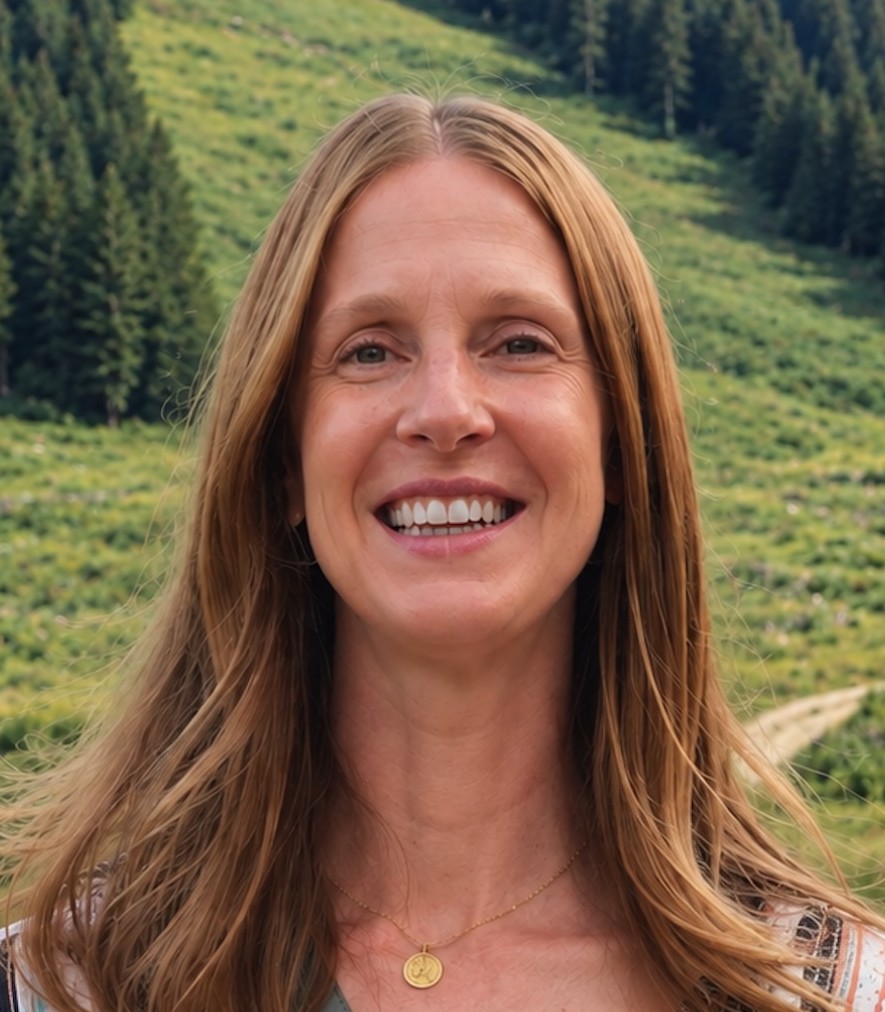
??????????
- Why do you want to serve on City Council? What do you see as your strengths as a member of Council?
I love living here. I fell in love with so much about Rossland on my first visit in 2016, and that’s why I chose to build my life here. The connected, diverse, and welcoming community is at the top of that list. I want to help preserve the things that drew me to Rossland while also recognizing that our community has some challenges ahead.
I’ve spent 20 years working in health regulation. My background is in accounting. That experience translates well to the work of a City Councillor, and it gives me the skills to help navigate those challenges and find positive solutions. I work every day with governance, policy, bylaws and complex legislation. In my professional role, I’m responsible for budgeting and allocating constrained resources while considering competing interests.
It’s given me a practical perspective on difficult decisions. When decisions affect an entire community, there often isn’t a perfect answer. Sometimes the best outcome is a good compromise.
My husband and I also operate a local cabinet business, so I understand the realities of operating a small business in our community.
I’ve spent most of my career working with people who see the same issue very differently. I’ve seen firsthand how having different perspectives at the table can challenge your thinking and lead to better decisions. I like being challenged, and I’m comfortable challenging my own thinking when the information in front of me tells me that I should.
Rossland is going to change. Everything does. What matters to me is that as we grow and change, people can still afford to come here and build a life, like I’ve been lucky enough to do, without making it harder for the people who already live here to stay in the wonderful community that they helped to build.
- If Rossland must cut any services or lose any amenities to keep taxes manageable, which ones do you think are least essential and could be lost without impacting community life unduly? How much money would that save?
I come from an accounting background, giving me extensive experience with and a strong understanding of budgeting. I’m comfortable making hard choices when they need to be made. I’m just not comfortable making them without the information I need to make a defensible decision. Before making that decision, I would want to know what the service actually costs, how it’s being used, whether there are more efficient ways to provide it, and what we lose by eliminating it. I’d also want to know whether cutting something saves us money in the long run or just moves the cost elsewhere.
I strongly believe in continuous improvement, and I think that’s a culture we should always try to foster. We shouldn’t keep doing something a certain way simply because that’s how it’s always been done. If there are opportunities to do things more efficiently, we should actively look for them and make changes where the benefit is clear and the negative impact is low.
Of course, some things are essential. We need clean water to come out of the tap, and our sewer to work. We need safe roads to function, and our snow to be cleared. The other facilities, amenities and services the City provides also contribute significantly to our quality of life. I don’t think the answer is simple.
Until we form our new Council and consider this carefully, I can’t give you a complete list of “essential” or “non-essential” expenditures. What I can promise Rosslanders is that I make my judgments based on reality. On facts. On our community coming together and choosing the future we want for ourselves.
- Should Councillors explain their reasons at Council meetings for how they vote, when there is not unanimous agreement? Why or why not?
There are a few layers to this question. During debate, councillors should explain their reasoning and advocate for their position, particularly when they disagree.
Councillors bring their own unique perspective to each issue they’re asked to decide. Explaining your reasoning is part of being accountable for the vote you cast. Respectful disagreement often leads to better decisions.
Once Council has voted, though, Council has made a decision as a governing body. Under B.C.’s Community Charter, it is Council as a whole, not individual Councillors, who have decision-making authority. A councillor should always be honest about voting differently, but there’s a difference between explaining your position and continuing to undermine a decision after it’s been made. Both things matter.
I want residents to understand how I arrived at my vote, but I also understand that I’m one member of Council. I may not always get the outcome I thought best, and being part of a governing body means respecting that.
Council as a whole has a responsibility to communicate significant decisions to the community, including how and why those decisions were made. Many of Council’s decisions have financial impacts as well, and those should be communicated clearly and in a way that is easy for people to access.
- Do you understand the distinctions between municipal powers, provincial powers and federal powers? Explain. And, do you understand the meaning of the word “intermeddling” and how it may apply to the relationship between councillors and staff members?
This is actually one of the strengths I can bring to Council because it’s basically what I’ve been doing for a living for twenty years. Currently, I work at the provincial level in regulation, so I’m used to navigating complex legislation, understanding where our authority begins and ends, and knowing when we need to stay in “our lane”.
As an Executive Director, I sit on the other side of the table. I understand firsthand how important the relationship between a governing body, like City Council, and its staff really is. That relationship depends on clearly understanding and respecting the boundary between governance and operations.
Council’s role is governance and decision-making, while staff are responsible for the City’s day-to-day operations and implementing Council’s decisions. Councillors should absolutely bring matters forward, ask questions and seek the information they need to make decisions, but there is a clear difference between doing that and individually directing staff. The latter is not any Councillor’s role.
Understanding and respecting that boundary is vital to a healthy relationship between Council and City staff and a functional municipal office.
- It is not within Rossland, but if it happens, it will affect Rossland, so what are your thoughts about the proposed open-pit mine on Record Ridge? What would be your position on it as a Council member?
Personally, I completely oppose the mine. The risks and costs to our community are simply too great.
A lot is at stake for Rossland with the Record Ridge mine. It could be an inflection point for our community’s future. Record Ridge is in our backyard, and there are serious concerns about what an open-pit mine could mean for human health, our environment, recreation, and our local tourism-based economy.
Presently, the Province’s answers are incomplete. Council should keep asking questions and pushing for complete, meaningful answers.
Much of the permitting process falls to the Province, and I think Council needs to be clear about the limits of its authority. That said, Council still has a vital role to play.
Council should use every tool it has, especially its soft power, to influence ministries and other levels of government and ensure Rossland’s concerns are clearly and consistently communicated to the decision-makers with the authority to act.
Council can advocate for our community to ensure the Province protects human health and the environment, and properly considers the serious impacts on Rossland and surrounding communities.
I understand and appreciate our region’s deep mining history. However, many of the things that we as a society engaged in 100 years ago no longer serve us – we’ve found a more sustainable path forward. We know more now, and we have a responsibility to ensure that our decisions reflect that.
I encourage anyone who wants to learn more to visit SaveRecordRidge.ca, stay informed, and get involved where you can.
- Please give your opinions on climate change and municipal efforts to curb it. Do you think municipalities have an important role? What would you like Rossland to do?
Climate change has a very real and visible impact on our community. We see it in increasingly severe and longer wildfire seasons and fluctuations in our annual snowpack. While much of climate policy is created at the provincial, national and international levels, municipalities must still do their part.
The City should work to understand the most direct impacts of climate change on Rossland. Understanding those effects will allow us to create a long-term plan for managing the effects of climate change. That means identifying our risks and taking practical steps to make our community more resilient. Continuing to support programs like FireSmart is a good example of this, helping property owners reduce risk to their homes and, by extension, our larger community.
In 2020, Rossland joined other Kootenay municipalities in working toward 100% renewable energy by 2050. The City has also developed an Integrated Climate Action Plan to guide community climate initiatives through 2035. We have a plan, and we need to operationalize it and measure outcomes. I support continuing practical initiatives from that work, including active transportation, EV infrastructure, and organic waste diversion. When the City builds or replaces infrastructure, climate considerations should be central to how those projects are planned and built.
Rossland is a small community, and we can’t fix climate impacts on our own. What we can do is make informed decisions about where we, as a municipality, can make the most difference. Every contribution counts.
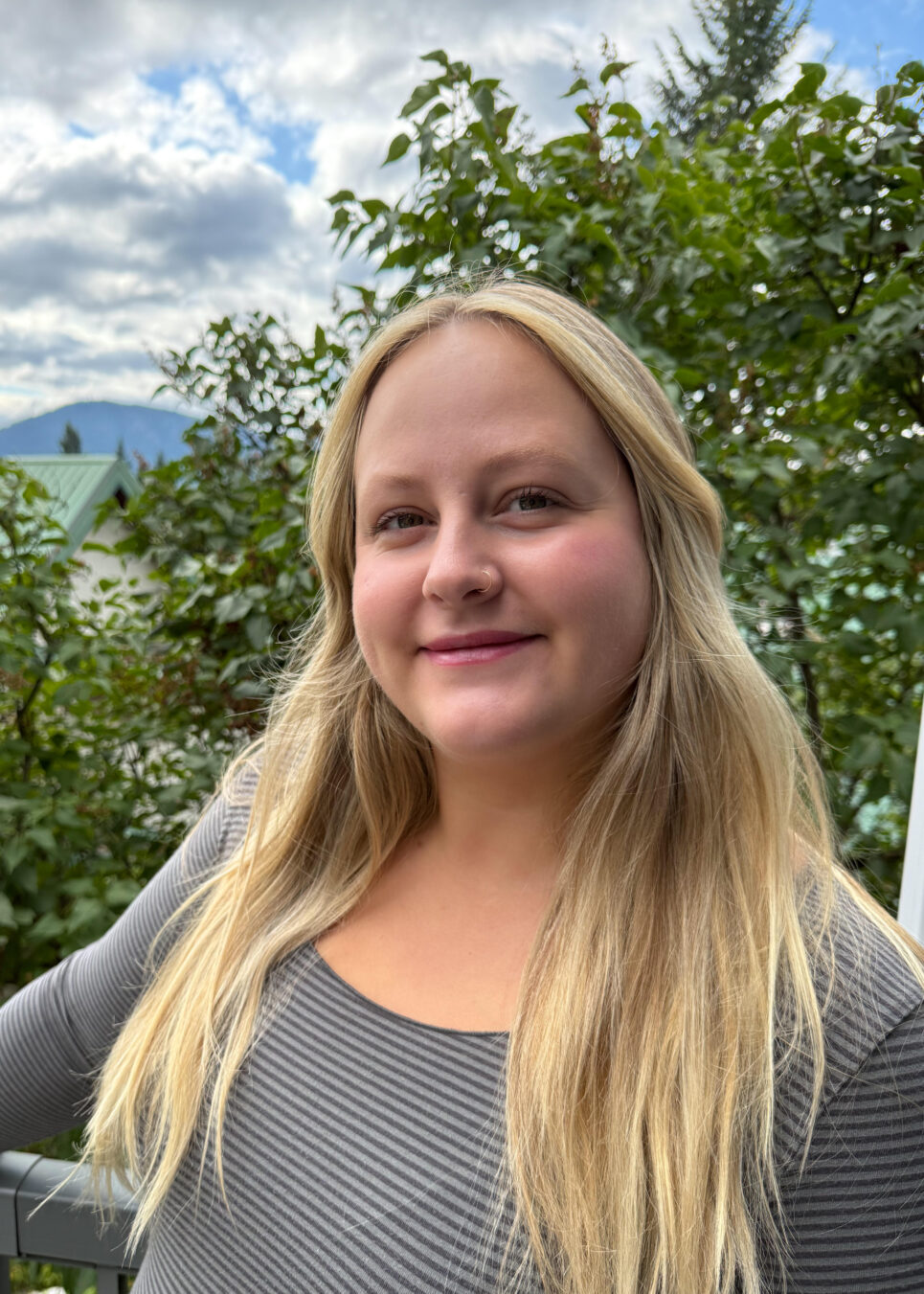
Maya Provençal
- Why do you want to serve on City Council? What do you see as your strengths as a member of Council?
I want to serve another term on City Council because I care deeply about Rossland. I’m from here, my parents and grandparents are here, and now I’m raising my daughter here. I am invested in Rossland in every way. When I ran for council the first time, I ran because I wanted to bring a young, thoughtful, and progressive voice to council, and I did. And over the past four years, I’ve gained a much stronger understanding of what it takes to make our small community run and I’m excited about the opportunity to jump right back into its stewardship.
My strengths are that I am knowledgeable, curious, and committed. I have a bachelor’s degree in Political Science and am a Master’s Candidate in the department of Public Administration with a focus on Community Development. I am coming into this election with four years of contributing to the governance of the City under my belt. I do my homework, ask questions, and try to understand the broader context behind decisions rather than looking at issues in isolation. I’m comfortable with complexity, willing to reconsider my position when presented with new information, and I work hard to find common ground with people who may see an issue differently.
I also think I’ve demonstrated that I take the responsibility of serving on Council very seriously. During my first term, I became a mom. I continued showing up in early postpartum, attending meetings virtually almost immediately and was back in person within three weeks. My track record demonstrates that when I commit to something, I show up; If feeding a newborn during council meetings doesn’t show unwavering commitment to the work then I don’t know what does. I would bring that same experience, energy and sense of responsibility to a second term.
- If Rossland must cut any services or lose any amenities to keep taxes manageable, which ones do you think are least essential and could be lost without impacting community life unduly? How much money would that save?
I don’t think cutting a service or amenity is a decision that should be made outside of the context in which that decision is actually being considered. I realize that sounds like a very political answer, but it’s true!
Before cutting anything, I would ask: Why is this being brought forward now? What are Staff seeing? What is the community saying? How is the service being used, and by whom? Are there ways to provide the service in a more cost-effective way?
Spring cleanup is one example. During the last budget cycle, we discussed it as a potential cost-saving opportunity because its budget was ballooning due to overuse, misuse and other environmental factors like increased severity and frequency of wind storms. It was expected to cost roughly $60,000 more than in previous years, adding about 1% to property taxes and nearly doubling its historical cost.
Rather than just cutting it, Council put the future of spring cleanup out to the community during consultation on the Financial Plan. We heard mixed feedback; some residents viewed it as an essential, but many of you felt the projected cost wasn’t worth it.
Later in the process, I suggested looking at a centralized drop-off model rather than cutting the service completely. Council ultimately decided to test that new model in 2026, which has resulted in cost savings while still providing the service.
I also don’t think we necessarily need to cut services or lose amenities to keep taxes manageable. We should be looking at other options: sharing staff, equipment or facilities with neighbouring communities, reviewing how services are delivered, shifting to user-pay systems where appropriate, and other efficiencies.
If cuts are ultimately necessary, I would want that decision made in collaboration with the rest of council, with good information and community input.
- Should Councillors explain their reasons at Council meetings for how they vote, when there is not unanimous agreement? Why or why not?
Almost always, yes. I think it is important for transparency and for the broader health of democratic debate that Councillors explain their reasoning when a vote is contested.
You should be able to understand not only how your elected official voted, but why. Explaining our reasoning also helps make Council debate more useful, because it puts different perspectives, trade-offs and concerns on the public record.
In saying that, I don’t think every Councillor needs to repeat the same point simply for the sake of speaking. If there is a clear majority one way or the other, a Councillor feels their position has already been well represented by others, or they have nothing new to add, I think it is okay to let the discussion move on. Efficiency is also important, as long as it doesn’t come at the expense of good decision-making.
When it comes to myself, I make an effort to explain my position almost every time Council is making a decision that is contested, whether the disagreement is among Councillors or within the community.
- Do you understand the distinctions between municipal powers, provincial powers and federal powers? Explain. And, do you understand the meaning of the word “intermeddling” and how it may apply to the relationship between councillors and staff members?
Yes. Without going into too much detail (although this is a great education opportunity!), municipalities in B.C. exist through the Province, primarily through the Community Charter and Local Government. Municipal governments deal with the things that most people interact with everyday like water, sewer, and storm infrastructure, local roads and snow clearing, parks, land use, building permits, and recreation facilities and programs. In our case, some services that can be municipal responsibilities, like waste management and emergency services, are provided by the RDKB.
The Province is responsible for things like education, health care, municipalities (isn’t that confusing!), natural resource extraction, and highways, while the federal government is responsible for things like the military, banking, criminal law and pensions. I’m sure you aren’t shocked to hear that there are also a lot of complexities and conflictions within this system. Municipalities are children of the Province, and the Province can also place requirements on us around things like housing and climate targets, zoning, building, and land use. Those requirements can result in positive outcomes for residents, but they can also mean additional work and costs being downloaded onto local governments and strong limits on what municipalities are allowed to do to deliver on community priorities.
On the issue of intermeddling: the role of council is clear – it is there to provide oversight, set the strategic direction of the municipality, approve budgets and policies, and make big-picture decisions about service levels, asset management and community planning. Staff are responsible for the administration and day-to-day operation of the City and for implementing Council’s direction. Intermeddling is what happens when electeds cross that line by trying to micromanage staff or day-to-day service delivery which can get in the way of organizational health and service delivery.
- It is not within Rossland, but if it happens it will affect Rossland, so what are your thoughts about the proposed open-pit mine on Record Ridge? What would be your position on it as a Council member?
I absolutely oppose the Record Ridge Mine project.
Throughout my term, I have been a strong advocate for greater transparency, meaningful community engagement and evidence-based decision-making in the mine approval and permitting process. I have participated in (and in some cases even requested & led) many meetings with the Province on this issue, including with the Ministries of Mines, Health, Forests, and Water, Land and Resource Stewardship.
I have been shocked by the disregard for the concerns expressed by the City of Rossland and its residents throughout this process, both by the proponent and, in many cases, by the provincial government. From the Mine Development Review Committee process onward, I have watched our community raise legitimate questions and struggle to get clear answers.
I have not seen enough evidence to give me confidence that the health of residents or our local environment will be adequately protected from the potential impacts of this mine. With each additional permit approval, I have become increasingly concerned about the integrity of the regulatory system.
The mine itself is outside Rossland’s jurisdiction, so Council cannot simply approve or reject it. What we can do is advocate for our community. I believe it is the Province’s responsibility to make sure that resource extraction does not come at the expense of human health or the environment, and I am committed to continuing to hold them to account.
- Please give your opinions on climate change and municipal efforts to curb it. Do you think municipalities have an important role? What would you like Rossland to do?
Municipal climate action is the issue that got me interested in local government in the first place. My first real interaction with local government policy was through a summer job with the West Kootenay EcoSociety working on the 100% Renewable Kootenays campaign. A few years after organizing in Rossland on that campaign, I decided to run for Council.
I absolutely think municipalities have an important role in both mitigating climate change and protecting people against its impacts. In fact, municipalities have direct or indirect influence over roughly 50% of Canada’s greenhouse gas emissions. We make decisions about many of the things that shape emissions locally: land use, buildings, transportation, infrastructure, and waste. We are also on the front lines of climate impacts like wildfire, extreme heat, and changing infrastructure and programming needs.
Over the last four years, I have been a fierce advocate for climate action at the City. I championed Rossland’s advanced implementation of the Zero Carbon Step Code, supported our Integrated Climate Action Plan (ICAP), helped secure a new home for the Farmers Market under the Incredible Markets umbrella, and supported climate-friendly changes to our Zoning Bylaw related to EV charging, climate-resilient and FireSmart landscaping, and adding clarity around home solar infrastructure.
I also consistently advocate for climate action and environmental health in our strategic planning and support climate initiatives through our community grant processes.
Going forward, my focus would be on supporting the implementation of the ICAP. I’m particularly interested in continuing to invest in active transportation infrastructure, renewing support for home energy retrofits if funding is available, protecting and improving regional public transit through advocacy with the regional district, fleet electrification, food security, watershed protection, public air-quality monitoring, and wildfire resilience.
Darin Recchi

- Why do you want to serve on City Council? What do you see as your strengths as a member of Council?
- I’m motivated to serve on the City Council because of everything Rossland has given to me and my family over the past 10 years that we’ve lived here. What we’ve gained from the community is difficult to quantify yet all positive. I feel compelled to give back by contributing my time, energy and experience to challenges we face with increases in cost of living and demands on operating & sustaining the City of Rossland.
As a member of Council I’ll bring my business, leadership and budget management experience. I’ll also bring what I feel is a solid moral compass. My business experience, and probably even more my journey as a parent, has improved my listening ability and patience. In a public role you need the patience to listen and understand every side of an issue and the ability to ‘slow down to speed up’ to make decisions and plan accordingly.
- If Rossland must cut any services or lose any amenities to keep taxes manageable, which ones do you think are least essential and could be lost without impacting community life unduly? How much money would that save?
- “Least essential” is in the eye of the beholder. Every citizen, and groups of citizens, in Rossland have individual and competing priorities for services and amenities. For example, I was a member of the Rossland Arena Committee when it faced potential closure. I was passionate about it because my children used the ice surfaces in Rossland (and Trail and Beaver Valley) on a regular basis and I supported having a functioning arena for what it brought to my family and the community. Many were opposed to it, and I’m sure there are a lot of Rossland citizens who have never set foot in the arena. Their stance wasn’t wrong, it reflected individual priorities for how they live and interact in the community.
Rossland has services and upcoming infrastructure choices that are necessary alongside ongoing improvement for existing facilities and services that could have alternative paths. There are a lot of competing interests and I’m running for the opportunity to get a full picture of essential services and budgets as a Council member. I won’t provide a list of least essential services and amenities or a savings number because I don’t yet have that full picture and won’t pretend to fully understand it.
- Should Councillors explain their reasons at Council meetings for how they vote, when there is not unanimous agreement? Why or why not?
- If ongoing discussion and debate on issues in front of council is open, there should be limited need for explanation. That said, it is important to understand how a councillor votes on local issues, bylaws and resolutions during council meetings, and citizens have the right to understand why a councillor has voted.
The short-term rental issue in 2023-2024 is an example; in mid-2023 Council was discussing implications for housing and different regulatory approaches and later that year held a Committee of the Whole to work through competing interests of landlords, long-term renters, owners and residents. In subsequent meetings and discussions leading up to a March 2024 Council meeting with the room full of community members passionate about the issue (and many invested as STR owners) it was evident that Mayor and Council had explained themselves and continued to do so in that session. In my opinion from attendance at that meeting many did not understand the reasons for the decision, and community involvement led to the proposed restrictions being walked back. As citizens we all have competing priorities and as a Councillor it’s likely often necessary to explain the ‘why’ behind your voting and decisions.
- Do you understand the distinctions between municipal powers, provincial powers and federal powers? Explain. And, do you understand the meaning of the word “intermeddling” and how it may apply to the relationship between councillors and staff members?
- As a Municipality, we exercise powers granted to us by the Province. Authority is divided between the federal and provincial governments and accordingly they exercise power over areas that blanket the country or the province.
Economically, the BC government holds the authority to share frameworks via taxation, large-scale spending and fiscal policies alongside regulations on industry, labor and natural resources. Municipal governments operate almost entirely within a microeconomic scope using tools like property taxes, zoning and business licenses to influence the operation and direction of Rossland. The federal government sits at the top of this structure to shape the national economy, policies and priorities.
This economic structure and distinction is important to understand because we need to fight (yes, I said ‘fight’) for funding and support that Rossland needs for significant future expenditures instead of accepting that “taxes just go up.” We pay taxes at every level and need to ensure Rossland is represented in how those provincial and federal funds are redistributed.
“Intermeddling” refers to the boundary between interfering with the role and duties of staff members vs appropriate guidance, questions and direction as a Councillor representing the residents of Rossland. It’s the difference between asking, understanding and exercising oversight vs directing or managing the City’s administration. Council always needs to be aware of where the line is between providing direction and working towards solutions versus meddling in areas that could be a conflict of interest.
- It is not within Rossland, but if it happens it will affect Rossland, so what are your thoughts about the proposed open-pit mine on Record Ridge? What would be your position on it as a Council member?
- I’m not opposed to natural resource extraction and expansion of local economies. The Teck smelter has operated for over 100 years and provided an economic engine for Trail and municipalities that surround it. Environmental consequences have come with that and Teck (formerly Cominco) is now held to much higher standards for those responsibilities. It’s been an ongoing balance of economic benefit to the community and environmental effects on the area.
My challenge with the proposed Record Ridge mine involves how it is happening. In my business (and life) experience I’ve never come across a situation where open discussion, collaboration and planning with everyone involved have not been key factors to gain support for an initiative that will affect a community. WHY resources staked the property two decades ago and has been progressing on the proposed mine since. With the proposed mine’s proximity to Rossland I don’t understand why West High Yield hasn’t taken a consultative stance over time to explain positive aspects it can bring – jobs, revenue, positive change? It’s not a mature way of doing business and makes me suspicious of how the operation would be run to ensure it doesn’t negatively affect Rossland. I welcome potential exploration and initiatives in our area that would benefit our community, with the Record Ridge Mine I don’t understand what that benefit is.
- Please give your opinions on climate change and municipal efforts to curb it. Do you think municipalities have an important role? What would you like Rossland to do?
- I’ll admit to a rudimentary understanding of climate change, and say that because I often feel I’m surrounded by people who invest in a deep understanding of climate change. I consider them experts by comparison. I view the climate having two factors: climate evolution that’s been happening since the beginning of time (this area was once completely buried under glacial ice), and climate change that is undoubtedly happening due to consumption and emission. Rossland’s Climate Action Plan intends to guide municipal climate policy in future and “guidance” is what we need. The majority of Rossland’s effect on the climate comes from passenger vehicle and residential heating emissions – guidance leads to awareness about what we do as individuals to curb the acceleration in climate change.