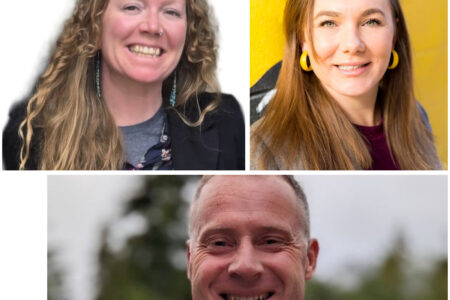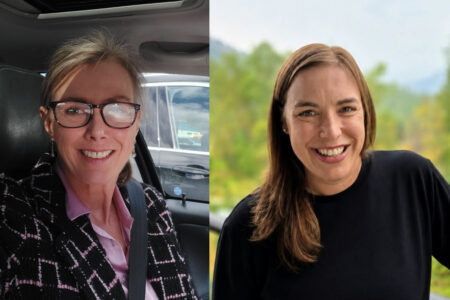

Answers from four more candidates for Rossland City Council

By Rossland Telegraph
Editor’s Note: Not all candidates have responded to the questions and provided a picture, but if more send answers we will publish them at our earliest convenience.
Craig Humpherys submitted his answers, provided below, but we do not yet have a compatible photo for him.
Keep watching … and please do vote.
Melanie Mercier
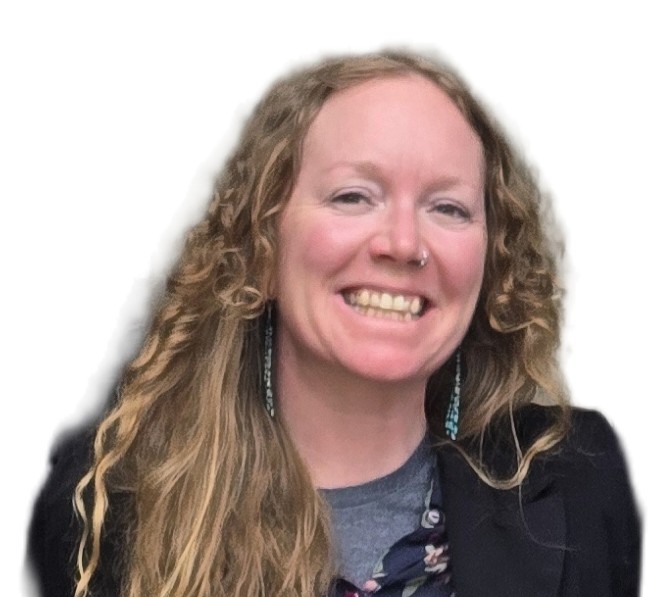
- Why do you want to serve on City Council? What do you see as your strengths as a member of Council?
I am deeply committed to protecting the core values and identity that make Rossland extraordinary — our precious wilderness, our strong community spirit, and our deep outdoor and arts culture. I believe in embedding an environmental lens into municipal decision‑making and integrating stewardship and climate resilience into long‑term planning. In a time when anthropogenic climate change is worsening, it is our responsibility as stewards of the land to act through thoughtful, durable policy. I aim to bring forward and amplify three vital perspectives in every choice we make:
Our Shared Ecosystems — the living beings and wild spaces without a vote.
Indigenous Voices — honouring traditional caretakers’ knowledge and stewardship of these lands since time immemorial.
Future and Older Generations — the children who will inherit the community we shape today, and the elders who deserve clear access to information and services.
My strengths as a member of Council include scientific literacy, ecological expertise, hands‑on community involvement, and a commitment to transparent, thoughtful governance. These strengths are threefold:
Evidence‑Based Expertise: Academic training in Earth Sciences (B.Sc. and M.Sc.) and horticulture, combining scientific rigor with practical, nature‑based solutions.
Local Community Leadership: Experience founding a sustainable small business, leading community action committees, and advocating for ecosystem protection and climate resilience.
Community‑Centered Advocacy: Work as an educator and advocate bridging environmental stewardship, active living, and mental‑health awareness.
My community involvement reflects these values: teaching kids’ upcycling art classes, organizing art shows and fundraisers, volunteering at community events, serving on the Sustainability Commission and Climate Action Task Force, participating in Earth Week, and contributing as an artist at local markets.
I want to serve because Rossland thrives when we honour our ecosystems, uplift our community, and plan boldly for the generations who will follow — and that is the spirit I intend to bring to Council.
- If Rossland must cut any services or lose any amenities to keep taxes manageable, which ones do you think are least essential and could be lost without impacting community life unduly? How much money would that save?
This is a complex question, and the answer doesn’t sit with me alone — it sits with what the community values most. Any discussion about reducing services or amenities must begin with a clear understanding of community impact, equity, and long‑term value. I would approach this by evaluating services through those lenses and by seeking efficiencies before considering the elimination of amenities.
In many cases, cost savings can be found through smarter planning rather than through cuts. Introducing nature‑based solutions — such as native plant transitions, rain‑garden infrastructure, and ecological landscaping — can reduce long‑term maintenance costs, improve resilience, and create environmental benefits without diminishing community life. These approaches often save money over time by reducing water use, lowering infrastructure strain, and decreasing the need for high‑maintenance landscaping.
Before any service reduction is considered, I would want to understand what residents rely on, what contributes most to quality of life, and where operational efficiencies or alternative approaches could achieve savings without eroding what makes Rossland vibrant. Responsible fiscal management means exploring innovation, partnerships, and long‑term planning rather than defaulting to cuts.
Ultimately, decisions about services should reflect community priorities, transparent evaluation, and a commitment to maintaining the character and wellbeing of Rossland.
- Should Councillors explain their reasons at Council meetings for how they vote, when there is not unanimous agreement? Why or why not?
I don’t see an issue with councillors explaining their reasons for a vote when there isn’t unanimous agreement, as long as the discussion remains constructive and focused on the matter at hand. Clear explanations can help residents understand the deliberation process — and ideally encourage more people to attend council meetings so they can hear those conversations firsthand.
I also think we need to bring back a sense of curiosity and community connection. Too often, complex issues get reduced to long, unhealthy comment threads on Rossland Talks, and people end up feeling frustrated or divided. Instead, we can rebuild a culture of direct, respectful engagement: talking to our neighbours, saying hello when we cross paths, and reaching out to council members in person. Make a coffee date, have a face‑to‑face conversation, and share perspectives openly. That’s the spirit of a healthy, connected community — and it’s the kind of environment where transparent explanations at council meetings can genuinely strengthen public trust.
- Do you understand the distinctions between municipal powers, provincial powers and federal powers? Explain. And, do you understand the meaning of the word “intermeddling” and how it may apply to the relationship between councillors and staff members?
I do understand the distinctions between municipal, provincial, and federal powers, and I believe that respecting those roles is essential for effective municipal operations. Municipal governments are responsible for local matters such as land‑use planning, zoning, utilities, local roads, and community services. Provinces oversee areas like health care, education, natural‑resource regulation, and the legislation that defines how municipalities operate. The federal government is responsible for areas such as national parks, fisheries, national defence, and international affairs.
I also understand the meaning of “intermeddling” and how it applies to the relationship between councillors and staff. Councillors set policy; staff implement it. Councillors must not direct staff individually or interfere in operational decisions. Respecting these boundaries ensures fairness, professionalism, and good governance.
Building strong working relationships between council and staff is equally important. When roles are respected and communication is clear, staff can deliver services effectively and council can focus on setting direction. Good relationships help ensure that municipal services are accounted for, well‑managed, and responsive to community needs — all without crossing into operational interference.
- It is not within Rossland, but if it happens it will affect Rossland, so what are your thoughts about the proposed open-pit mine on Record Ridge? What would be your position on it as a Council member?
My position on the proposed Record Ridge mine is very well known. I’ve spent years as a director of SRRAC doing an enormous amount of volunteer work on behalf of this community to scrutinize the proposal and make sure Rossland’s concerns are taken seriously — work that was recognized by the City of Rossland and residents when I received the 2025 Community Contributor Award.
That effort has meant countless days, evenings, and weekends working through technical material, meeting with government officials, collaborating with experts and legal counsel, organizing within the community, participating in media interviews, and doing the behind‑the‑scenes work required to ensure Rossland has a strong voice. I’m very proud of that work and of what SRRAC and this community have accomplished together.
If elected, I intend to continue serving with SRRAC and contributing in that capacity. The current Mayor and Council, along with the RDKB Director and our local MLA, have already done much of what they can directly do on Record Ridge, including putting the City’s concerns clearly on the record through the provincial process. Virtually all of the major decisions that remain about whether and how this project proceeds rest with the Province, not the City.
In the limited circumstances where a project‑specific decision may come before Council, I would be transparent about my SRRAC role and step out where appropriate.
One of the biggest things I would bring from this experience to Council is an understanding of how important it is for a small community to advocate effectively for itself. Sometimes the decisions that matter enormously to Rossland aren’t Rossland’s to make. In those situations, Council still has an important job: making sure our community is organized, informed, and heard by the people who do have the authority to make those decisions.
- Please give your opinions on climate change and municipal efforts to curb it. Do you think municipalities have an important role? What would you like Rossland to do?
Climate change is something I think about every day because it affects all of us, directly and indirectly. Municipalities have an important and meaningful role to play in climate action, as they are often the closest level of government to both the impacts and the solutions. Local governments make decisions about land‑use planning, water‑conservation practices, rainwater management, building standards, transportation networks, and the ecological stewardship of green‑infrastructure spaces — all of which shape how resilient a community can be.
There are many practical initiatives Rossland can continue to advance. Examples include transitioning traditional landscapes to native plant gardens, strengthening wildfire‑resilience planning, expanding waste‑reduction strategies, improving active‑transportation networks, and supporting nature‑based climate solutions. I also believe municipalities can lead by introducing bylaws that restrict or ban cosmetic pesticide use, encouraging rain‑garden development to retain and filter water rather than sending it directly into storm drains, and investing in invasive‑plant management to protect local ecosystems. These efforts conserve water, enhance biodiversity, and reduce environmental pressures while contributing to a healthier, more resilient community.
Municipalities also have a role in advocating upward. Clear‑cut logging, harmful forestry practices, and the continued burning of fossil fuels are major drivers of anthropogenic climate change in British Columbia. These practices contribute to record‑breaking forest fires, extreme flood events, catastrophic droughts, and broader climate instability. While municipalities do not regulate these industries directly, they can press MLAs and the Province to strengthen policies and accelerate the transition away from destructive practices to greener alternatives already successfully embraced by many countries.
Sharon Roberts
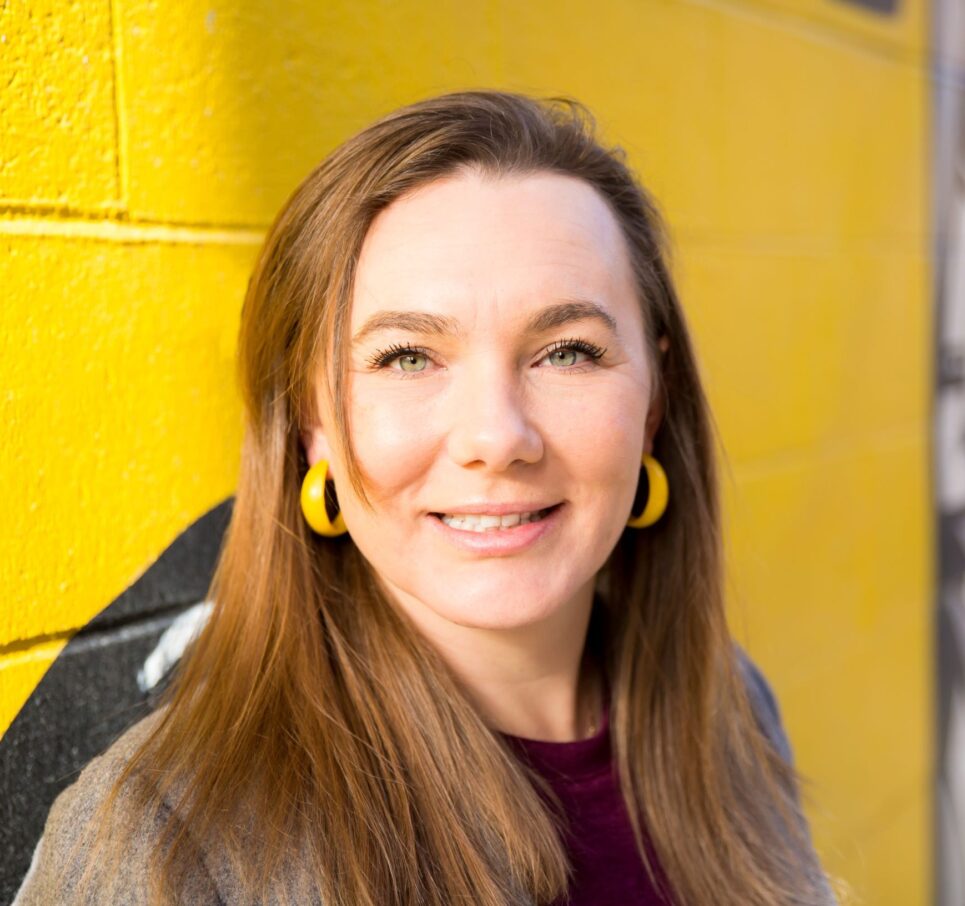
- Why do you want to serve on City Council? What do you see as your strengths as a member of Council?
My name is Sharon Roberts, and I’m a values-driven community leader, educator, and disability and inclusion advocate with over 25 years of professional experience
Since moving to Rossland in 2021, I’ve become an involved and dedicated member of the community. As someone who listens to understand and believes every person and voice deserves to participate in their community, I think that I have a lot to offer Rosslanders.
In my role as a non-profit executive director in the arts and culture sector, I served the communities in the West Kootenays. For over four years, I worked to advance the sector’s economic potential and create new, fair-wage paid opportunities for artists. I continue to champion arts, culture and heritage initiatives in Rossland.
This experience helped me build a good relationship with different levels of government, including municipalities, the Regional District of the Kootenay Boundary, and the Columbia Basin Trust. I have a strong understanding of the roles and responsibilities of each level of government, how they can work together, and how they can partner with community organizations to advance the interests of Rosslanders.
I have a strong knowledge of the granting landscape regionally, provincially and federally. Grants are increasing an important part of supporting municipal initiatives.
I’m also a small business owner. I work with non-profit and government organizations guidng their learning and accessibility needs. I’m regularly hired for my subject matter expertise on Accessibility. The City of Rossland has accessibility responsibilities under several pieces of legislation. This area of expertise is in alignment with and supportive of one of the priorities areas in the City’s current Strategic Plan, to be proactive on human resource issues.
- If Rossland must cut any services or lose any amenities to keep taxes manageable, which ones do you think are least essential and could be lost without impacting community life unduly? How much money would that save?
Cutting services or amenities to Rosslanders would be a last resort option in a dire situation. If it came to it, it would be a decision made collaboratively between council and city staff and with great consideration. There are so many options to explore before cutting services would be considered that I wouldn’t even speculate as to a service or amenity to cut.
- Should Councillors explain their reasons at Council meetings for how they vote, when there is not unanimous agreement? Why or why not?
Rosslanders can expect accountably and transparency from me. On council, our mandate is reach a majority vote using a decision making by consensus approach. Each councillor will bring their own unique viewpoints and areas of expertise. We’ll use the Official Community Plan, our Strategic Plan plus knowledge and recommendations from city staff to guide decision making. The sign of a good councillor is to allow themselves to have their opinion swayed by information from their peers. Another sign of a good councillor is to continue to work together if a vote doesn’t go their way, and to continue to respect one another even when they disagree.
If I was asked why I voted a certain way, I’d be happy to share my thoughts and decision making process.
- Do you understand the distinctions between municipal powers, provincial powers and federal powers? Explain. And, do you understand the meaning of the word “intermeddling” and how it may apply to the relationship between councillors and staff members?
Working in the non-profit and government sectors as a volunteer, board and committee member, consultant, and employee, I have a good understanding of how different levels of government can work together. While each level of government has their own jurisdiction where they are responsible for service/operations and policy, municipalities may participate in regional and provincial government activities and advocate for their communities at these levels of government as well. For example, while Regional Districts are responsible for waste management, municipal representatives may sit on advisory committees to help form waste management plans. Another example in our area is transit. BC Transit is the provincial body responsible for Transit, but the West Kootenay Transit Committee works in partnership with BC Transit to serve this area.
City Counil and city staff work together as a team, with staff providing supporting information to help council make decisions. This information may include details from staff departments area of expertise, like city planning, infrastructure or recreation. They may also advise council about the parameters set forth in official city plans and/or provide legal advice and risk assessment that would need to be considered when making decisions. Council may give general direction to staff on policies programs however, City staff carry out the day-to-day operations of running the City under the supervision of the Chief Administratie Officer. So, intermeddling would be an individual city counsillor trying to approach and direct staff.
- It is not within Rossland, but if it happens it will affect Rossland, so what are your thoughts about the proposed open-pit mine on Record Ridge? What would be your position on it as a Council member?
The Record Ridge Mine project is not the right project for Rossland. This matter cuts right to the heart of what it means to be a Rosslander. Rossland was founded as a mining town and remains an ongoing part of our culture and heritage. That part of the city’s identity means something to people here, especially those who still work in the mining industry. However, it’s possible to honour that part of the city’s heritage and reimagine a new future identity for ourselves.
Rossland has become a world-class tourism destination for outdoor sports, with people traveling from across the world to experience the Seven Summits Trail. If the Record Ridge Mine goes ahead, it will significantly reduce the desirability of Rossland as a destination for outdoor enthusiasts and as a highly livable city. The effects of this would be widespread across industry in Rossland, hitting tourism based businesses and small businesses especially hard.
As someone who champions environmental stewardship, I believe we have a duty to prioritize environmental protection. We are in a climate crisis and the time to act is now. Canada has already lost roughly 75 – 80% of it’s grasslands since 1970. Record Ridge is a rare grasslands ecosystem and a designated Key Biodiversity Area. We have a duty to protect it.
All of this is not to mention the potential health impacts of the mine on Rosslanders. There are significant air quality concerns that would affect the long term health of Rosslanders including airborne silica and asbestos. There hasn’t been proper dispersion modeling of how these particles would travel to nearby communities. The mine site being only 7 kilometers from Rossland, makes it one of the closest open-pit mineral mines to a municipality in BC. For these reasons, I would oppose the Record Ridge Mine project.
- Please give your opinions on climate change and municipal efforts to curb it. Do you think municipalities have an important role? What would you like Rossland to do?
Rossland is one of the nine West Kooteany governments who have signed onto the West Kootenay 100% Renewable Energy Plan to achieve 100% renewable energy by 2050. Reducing carbon pollution from transportation and buildings, and diverting compost from landfills have been identified as the three biggest initiatives the city can support towards this goal.
Some of these goals are achievable within the scope of Rossland City Council, and other goals, like improved public transportation and landfill diversion require cooperation with other levels of government. Rossland is already taking action to make buildings more efficient opting into the Province of BC Zero Carbon Step Code to reduce greenhouse gas emissions on new builds. Choosing to opt in is something municipalities can continue to uphold to curb climate change.
Regarding diverting compost from landfills, the Solid Waste Management is a plan set out by the Regional District. I’m currently serving on the Public and Technical Advisory Committee for the updated Solid Waste Management plan. One of the things I’ve advocated for is greater access to compost options for Rosslanders, especially those living in multi-unit buildings. I’ve also put forward the idea for revenue generation by selling processed composted back to the community, similar to the model already in use in the Regional District of Columbia Kootenay. Continued advocacy at the regional district level is something that municipalities can continue to do to curb climate change.
Regarding transportation, I would advocate for increased bus service between Rossland and Trail, and explore public transit options within our City, like a year round shuttle service between Rossland and Red Mountain.
Jeff Weaver
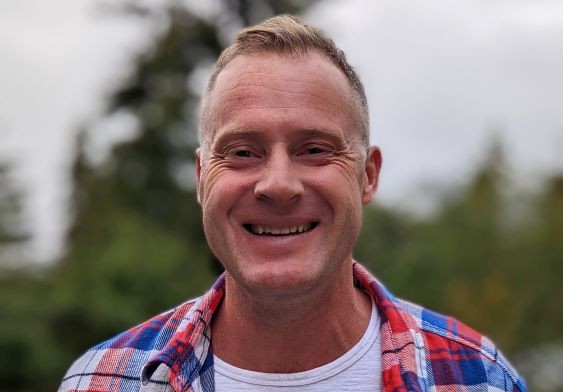
- Why do you want to serve on City Council? What do you see as your strengths as a member of Council?
I have served my community for 4 years as a councillor already and wish to seek another 4 years because I think I’m competent and I believe in the job.
I see my strengths are a) candidness (b) not afraid to upend norms and conventions and not do things as we’ve always done and (c) I put in the work to understand the issues and make thoughtful decisions (d) established good communication with our city staff
I’d like to focus more on “d” because so much of our communication re being elected is about ourselves, and lost in the conversation is how fortunate we are to have an incredibly capable and hard working city hall and public works staff who already do an amazing job keeping this community running, with or without council and through consecutive councils. Having good relationships and good communication with our city staff makes us better councillors. We don’t have to agree with them or their recommendations all the time, and we must be prepared to question decisions that fall within our purview (ie. everything that comes to the council package, departmental budgets, etc) but having a respectful dialogue and open communication with our staff enables us to look under that proverbial “hood” of the city and understand what makes the city operate. If you don’t have that, or make an effort to cultivate and maintain that relationship, you are doing yourself and your community a disservice.
- If Rossland must cut any services or lose any amenities to keep taxes manageable, which ones do you think are least essential and could be lost without impacting community life unduly? How much money would that save?
Successive generations have not put aside money for maintenance of our infrastructure, and unfortunately it is time to pay the piper, and that is falling on this generation of constituents. “Core” services (ie. roads, walls, sewer water) must take precedence over “Discretionary” services (ie. arena, pool, recreation programming, spring cleanup, etc). We must be willing to be forthright and prudent when discussing the future of our discretionary services and come to terms with the fact that we cannot afford all of the ageing amenities that we pay for right now. This balance will have to come from your councillors in mindful communication with the community – what can you live with, what can you live without, and your council will have to balance those wishes with the economic realities of our time.
However, we all need to take stock of what makes a community a community. We cannot take a wand and cut everything that “we” think are wasteful spending. For many people, some of these items or standards of living are non-negotiable.
For instance, we can ask our city staff to cut 5% from all of their budgets, but then we have to be ready to ask the community “what levels of service are you willing to live without”. What does that look like? Less clean streets, less snow removal, slower processing of permits, less garbage collection of city garbage cans, slower repair times for busted pipes, more pot holes, etc. The reality is that a 5% cut in department spending will not solve the 80 millon$ budget deficit – it’s a drop in the bucket – but I am willing to have these conversations, but you need to ask yourself, what can you live without, and what does that look like?
- Should Councillors explain their reasons at Council meetings for how they vote, when there is not unanimous agreement? Why or why not?
In my experience, when there is a debate at the council table, it is rare that the reasons why someone votes against a decision are not made clear during the debate. I think enforcing a “what was your reason” could be open to misinterpretation or abuse – after all, who would decide the parameters around what would constitute a satisfactory “explanation” of voting against a council decision. I feel like this would be attempting to solve a problem where I do not see a problem.
- Do you understand the distinctions between municipal powers, provincial powers and federal powers? Explain. And, do you understand the meaning of the word “intermeddling” and how it may apply to the relationship between councillors and staff members?
Municipal, Provincial, and Federal jurisdictions are fairly clearly delineated, but sometimes there is crossover in public sentiment for what our constituents would like to see Municipalities do which are actually provincial responsibilities.
Housing, healthcare, and childcare are all provincial responsibilities that tend to be conflated with municipal responsibilities. That said, while there are small things that municipalities can do through ie. tax incentives or grant funding requests to try and get housing, childcare, or healthcare built in their communities, the reality for Rossland is that a town of just over 4k people does not have a lot of leverage with respect to funds in this regard. Our city hall/affordable housing project is a great example of how the stars can align to make something great happen, but these opportunities do not come along very often and the funding from for the province will not be forthcoming with a 13 billion deficit.
The concept of intermeddling refers to councillors who insert themselves into work functions that belong to municipal administrations. Examples would be a councillor asking a planner to prioritize working on a particular building permit or trying to affect its outcome. Or asking Public Works to prioritize snow removal on one street over another – basically giving direction and about what. Council packages often include permit or variance applications where the councillors know the individuals or business involved, and this can be tricky in a small town because there are so many intermingled relationships in business, government, and personal lives, so councillors must be aware, vigilant, and preferably er on the side of caution when discussing individual files with staff.
- It is not within Rossland, but if it happens it will affect Rossland, so what are your thoughts about the proposed open-pit mine on Record Ridge? What would be your position on it as a Council member?
My personal view on the mine is that there does not appear to be a direct benefit (outside of the potential for some local jobs) to the City of Rossland, while we are expected to carry the burden of a lot of environmental concerns (ie. potential asbestos dust, ground water impacts, road traffic, lack of environmental review) and costs to tourism. If this is in the “public good”, how does Rossland benefit?
My councillor perspective is that, while it is not in our jurisdiction and ultimately not our decision, we at the city of Rossland have been consistent with our advocacy for an environmental review of the site, satisfactory dust mitigation, traffic concerns, road damage, satisfactory first nations consultation, etc. The province has a process for approving mines and has been holding regular meetings with all stakeholders in the area where the City of Rossland has consistently made our concerns clear. It is very difficult to get the ear of higher levels of government – particularly when you are a town of 4k people – and yet the City of Rossland has been very loud and consistent with voicing our concerns and with respect to other levels of government, the city has consistently met with the minister of mines and other government ministries (ie. environment).
My fear is that geopolitics and Trump’s election – which has made the mining of critical minerals even more important to our sovereignty – will embolden our Federal and Provincial levels of government to fast-track mining projects like the record ridge mine.
With that in mind, we must avoid exposing the City to litigation by the mine applicant while simultaneously continue to press the provincial government to address the concerns outlined above.
- Please give your opinions on climate change and municipal efforts to curb it. Do you think municipalities have an important role? What would you like Rossland to do?
All municipalities have an important role as so much of climate change is driven by the energy consumed in our homes and our businesses.
The City of Rossland is ahead of all its neighbours with respect to requiring building codes and energy efficiency in new builds that meets or exceeds the provincial standards. The city worked with our building community to ensure that the changes we not happening at a pace where they would cause undo harm to their capacity to adapt to these changes (part of the reason we voted not to ban natural gas and enforce full electrification- and hard decision that was not taken lightly). With that said, Rossland must continue to stay ahead of the provincial regulations while working with our building community to ensure the balance between energy efficiency and affordability is met.
I have personally installed heat pumps on our commercial building that we own downtown. It cost us a lot up front, but the long-term benefits have already been realized.
Unfortunately, the provincial funding for the energy retrofit programs has dried up and the city of Rossland must continue to seek other forms of funding to ensure this program can continue, as while many people cannot afford to build a new home, retrofitting their homes yields huge cost savings for them and benefits the environment.
Lastly, encouraging the little things without being patronizing. Encouraging more biking/walking to work, and more interconnected regional bike network, encouraging carpooling, and encouraging e-bike ownership and usage. These won’t solve the climate crisis, but they are the little things over which we all have a degree of control.
Craig Humpherys
[photo not yet available]
- Why do you want to serve on City Council? What do you see as your strengths as a member of Council?
Initially my motivation to run for council came from a desire to help serve the community. I wanted to be an active participant in the decision-making process that helped steer the ship.
Having served a four-year term on council, I have had the opportunity to learn the intricacies of not only council’s role in the proper functioning of municipal government, but also how the City of Rossland functions. Much of my first term involved coming up to speed on many issues. This background history and information now inform my decision-making process in a more holistic and efficient manner. Further, and perhaps even more importantly, I have developed good working relationships with staff and council, which will continue to help within the decision-making processes and, I believe, a more functional local government. I feel that the voters of Rossland have invested in my education. On this level I am grateful and wish to fulfill my commitment with a second term on Council.
- If Rossland must cut any services or lose any amenities to keep taxes manageable, which ones do you think are least essential and could be lost without impacting community life unduly? How much money would that save?
At first glance this seems like a “gotcha” question, and I am reluctant to give it any legitimacy.
Nevertheless, I will say that the city staff and council have worked together over the last four years on our shared goals outlined by our Strategic Priorities document. All of us recognise that our ageing infrastructure represents a generational challenge. To ignore the problem leads to long term problems that will only spiral in costs. Further, without proper infrastructure upgrades, the future growth of our local economy may be at risk along with the risk of losing parts of our culture when we lose these important parts of our infrastructure.
Cutting services may, at first glance, seem like low hanging fruit; however, City staff have streamlined operations and continue to do so. Snow clearing, maintenance of our water plant and electrical systems, management of garbage and garden waste, maintenance of the Miners Hall, Pool, Hockey and curling arena are just some of the services and amenities that we all pay to have maintained. I believe that all our amenities and associated services are essential to our cultural and societal fabric.
Council has had a chance to scrutinize many of these budgets. The city runs a tight ship. Cutting services is not necessarily a long-term solution. Given our shared responsibility in terms of an infrastructure deficit, we must raise our borrowing capacity to help mortgage some of our more pressing capital projects. This way we build for strong growth as we go forward.
- Should Councillors explain their reasons at Council meetings for how they vote, when there is not unanimous agreement? Why or why not?
I believe that Council and Mayor should always have a well-organised and thoughtful response to any given position. Providing one’s rationale for a decision when asked is part of the fabric of decision making in Local government and as part of the larger concept of a properly functioning democracy.
- Do you understand the distinctions between municipal powers, provincial powers and federal powers? Explain. And, do you understand the meaning of the word “intermeddling” and how it may apply to the relationship between councillors and staff members?
Yes, I do. The Federal government of Canada through Parliament manages matters of National interest examples include Tax, Defence, Navigation. The exclusive powers of the Provincial Legislatures concern a more local nature including Education, Natural Resources, and the Administration of Civil / Criminal Law.
The Province of B.C municipalities are creations of the province; municipalities have no constitutional or sovereign power. Municipalities manage local matters including local roads and traffic, water treatment and wastewater, local emergency services, zoning and land use planning, and municipal bylaws and local elections.
Intermeddling, often legally formalised as a “non-interference clause” in municipal charters occurs when elected officials overstep their legislative bounds (which is to act collectively as a legislative body to set policy) and individually command, instruct or threaten municipal employees, rather than routing requests through the City Manager or CAO.
- It is not within Rossland, but if it happens it will affect Rossland, so what are your thoughts about the proposed open-pit mine on Record Ridge? What would be your position on it as a Council member?
Currently the City of Rossland has supported the position that the proposal be subject to a full environmental assessment. The provincial government must now decide if the project does in fact pose a potential risk to water, land, and air quality to the surrounding area. I believe that any open pit mine proposal, situated in a largely undisturbed alpine environment, at the head of a water catchment, which not only threatens human health but also native flora and fauna, be automatically subject to a full environmental assessment. Anything less than this analysis undermines the provincial government’s commitments to our communities, our health, and to transparency when determining the efficacy of such a project. I firmly stand opposed to the project not only as it is presented, but having been involved with bringing the issue to Provincial leaders, I feel that the proponent has not done due diligence in terms of mitigating concerns through lack of meaningful communication and dialogue, lack of local public consultation, and a general disregard for how local people feel about the project and the concerns we share.
- Please give your opinions on climate change and municipal efforts to curb it. Do you think municipalities have an important role? What would you like Rossland to do?
Climate change is real. Climate change has always been a part of human existence on our Earth. Anthropogenic climate change is also real. As an inventive and industrious species, we have inadvertently created a scenario that now directly challenges certain economic premises that up until recently we had not scrutinized as a species.
Locally we face multiple challenges related to Climate change including potential long term drought, increased risk of destructive wildfire, extreme atmospheric river events, and extended heat dome events. We are also challenged by shortened and more unpredictable ski seasons and multiple days /weeks of smoke-filled days throughout the summer.
I believe we need to continually pressure Federal and Provincial governments to fully recognise the issues we face and in turn provide steady and stable funding for programs that help mitigate some of the issues. Examples might include the Climate Action Plan and the Firesmart Program, funding for emergency shelters, and water use monitoring. I recognise that we need to electrify our grid as much as possible, transitioning away over time from fossil fuels. Electrification will allow us more flexibility in the future to produce our power locally (wind, solar, hydro, etc.) as we continue to diversify. This provides the added advantage of energy security over time. I also believe strongly in individuals taking responsibly for their actions. Simply, we all have a part to play, not because we feel guilt, but because we care for this world, this place, and each other.