
Op/Ed: Emergency shelter or ‘care facility’? It can be the difference between life and death

By Contributor
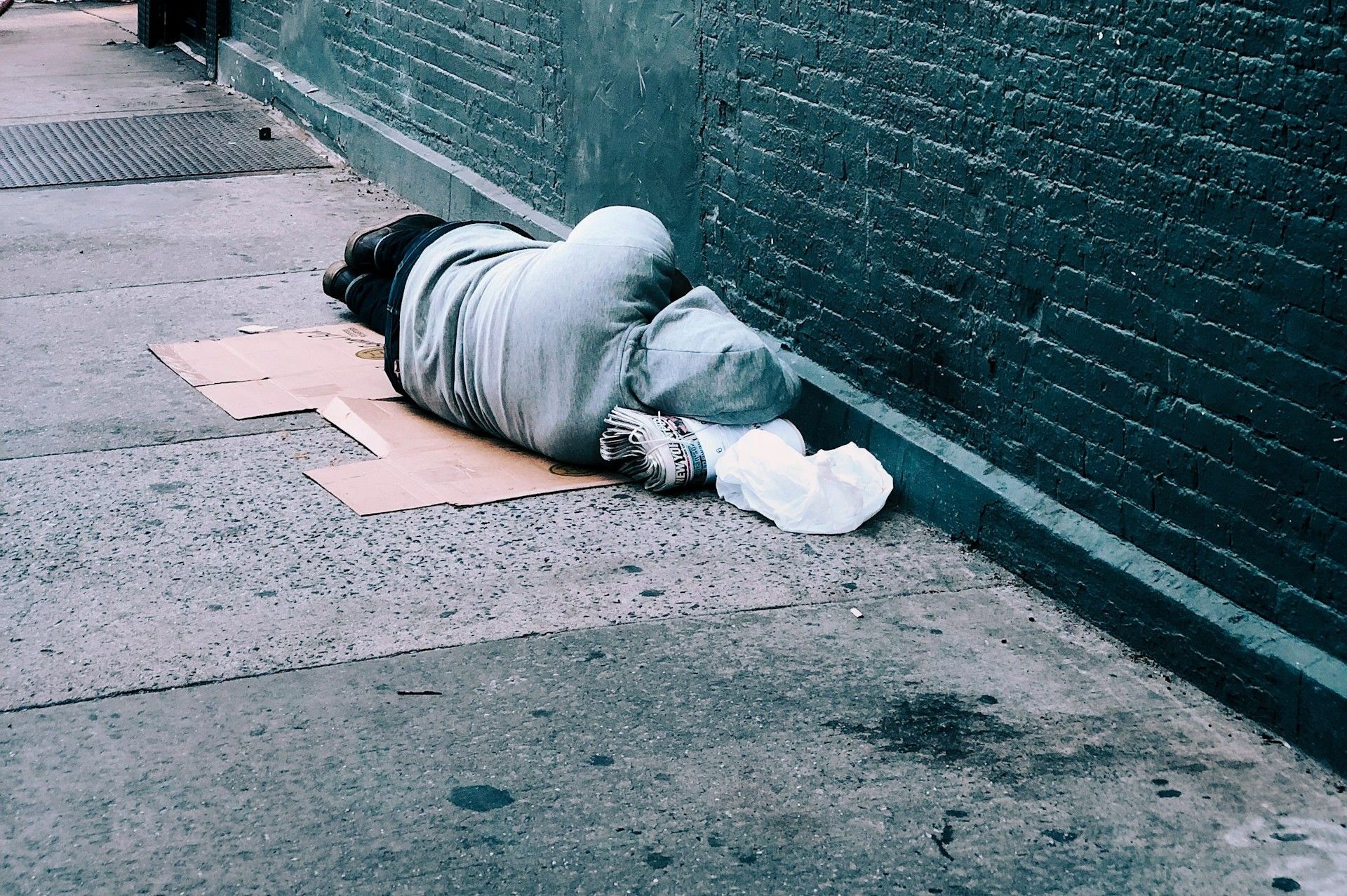
This year, the RDKB has defined an emergency warming centre as a ‘care facility.’ That means the available spaces cannot be used, despite rising community need.
An emergency warming centre where people in need could safely spend a night out of the cold is not open in Trail this winter due to the Regional District of Kootenay Boundary’s (RDKB) rigid and highly contested decision that emergency warming spaces constitute ‘care facilities.’
Two viable locations have been identified for use as emergency warming centres. One of these spaces has been successfully used for the past two winters to provide overnight warmth and safety during extreme cold. A second, newly identified location has also been assessed and deemed suitable. However, neither space is equipped with a sprinkler system, which is a requirement for ‘care facilities’ and, under the RDKB’s current interpretation of the building code, automatically disqualifies both options.
This interpretation imposes institutional-level requirements that are entirely inappropriate for the temporary, short-term, emergency nature of warming centres. As a result, workable and previously used spaces are now deemed unusable, leaving the community without a place where people can lie down, sleep safely indoors, and be protected from life-threatening cold.
Community organizers have been advised that a limited overnight warming centre may operate only if individuals are required to remain awake and seated in chairs throughout the night. Sleeping is strictly prohibited, and organizers have been warned that if sleeping occurs, funding will be shut down. This is despite having staff on site and doing hourly safety inspections, and having fire extinguishers and other safety measures at hand.
At the same time, organizers have been told that no compliance checks will occur to monitor adherence to the “no sleeping” requirement. This contradiction places warming centre operators in an untenable position—held financially responsible for enforcing an inhumane and unrealistic rule or ignoring the rule and risking the potential of being shut down for not complying.
This approach shifts risk and liability onto volunteers and frontline service providers while absolving decision-makers of accountability. It forces staff to choose between compassion and compliance and undermines the stated objective of public safety.
Requiring people to remain awake all night, sitting upright in chairs, during extreme cold fundamentally defeats the purpose of an emergency warming centre. Without a place to sleep indoors, people remain at serious risk of hypothermia, frostbite, preventable medical emergencies, and death, particularly during prolonged cold spells. Preventing people from resting safely also increases the risk of permanent injury, including the potential loss of limbs due to frostbite.
Call to Action
Community advocates are calling on the RDKB to immediately reconsider its classification of emergency warming centres as “care facilities” and to acknowledge that the BC Building Code does allow the flexibility to operate warming centres as has been done in previous years in Trail, under Division B, section 11.6.
Government must recognize the unique and time-sensitive role of emergency warming centres and allow overnight stays without forbidding people to lie down, so that people have a safe place to sleep indoors during extreme cold, reducing the risk of hypothermia, frostbite, and preventable deaths. This is particularly urgent given:
- Increasingly severe and unpredictable winter weather
- The ongoing toxic drug supply
- Rising rates of homelessness in our community
Public policy and building regulations must be applied in a way that prioritizes human life, dignity, and common sense. Bureaucratic rigidity must not be allowed to prevent practical, safe, and life-saving responses during emergencies.
The community urgently needs leadership that is willing to adapt, advocate, and act to ensure no one is left without a safe place to shelter and sleep in dangerous conditions.
Community Action Team