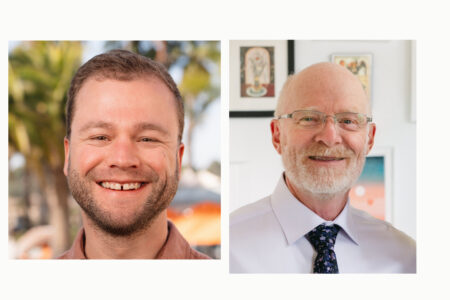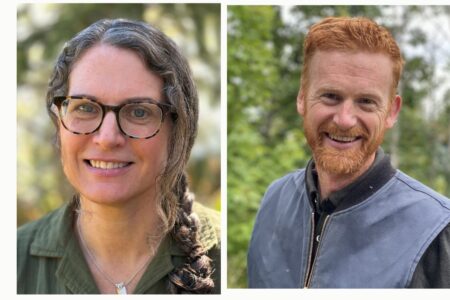

Candidates Matthew Watkins and Trista Sulman answer the six questions

By Rossland Telegraph
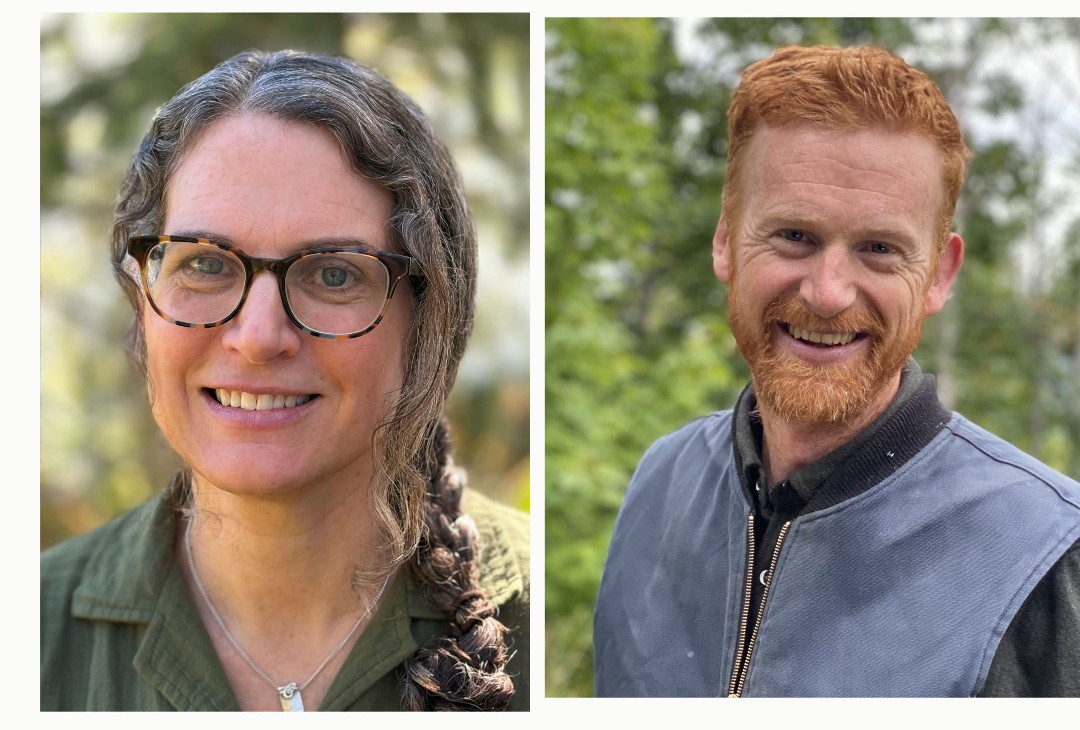
Editor’s Note: Candidates Matthew Watkins and Trista Sulman submitted their answers over the weekend — now all candidates’ responses are published here for your consideration.
I note that another publication has expressed the opinion that voters are “confused” by having the civic elections on October 17, and a provincial election only a week later, on October 24. Your editor has more faith in the intelligence of voters generally, and Rossland voters in particular, to think that many of us are confused by having two elections in a short time-frame. And I urge everyone to vote (thoughtfully!) in both elections.
Matthew Watkins
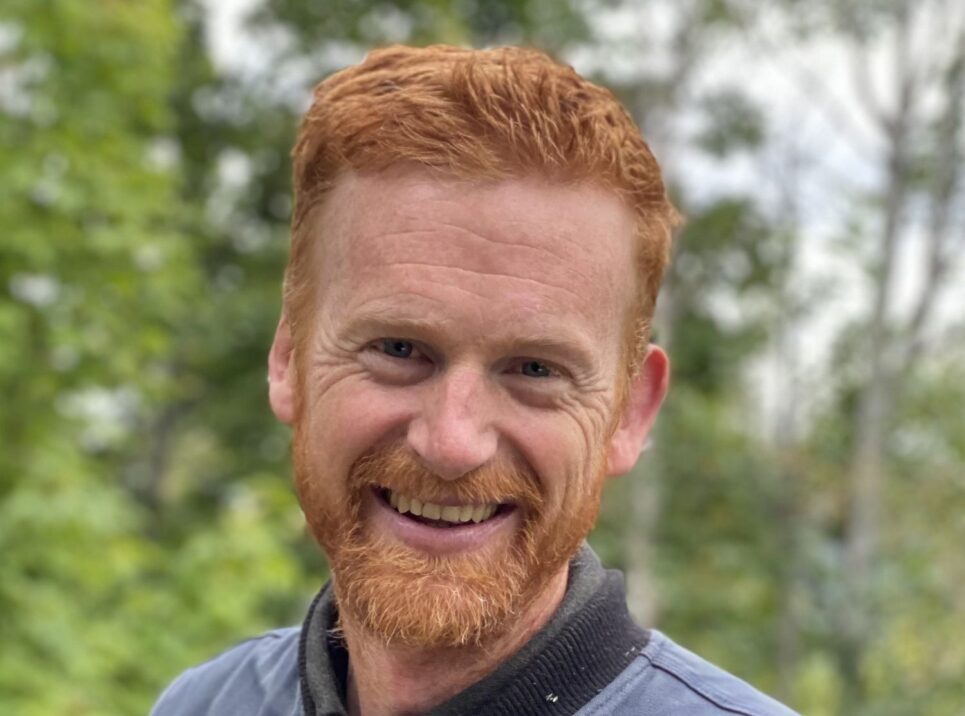
- Why do you want to serve on City Council? What do you see as your strengths as a member of Council?
Rossland is doing well. People want to live here, and that success is something to be proud of. But it also puts pressure on us: housing and everyday costs keep climbing, our infrastructure is aging, and climate change is already reshaping our summers. I’m raising kids here, and I want to help make sure the town they inherit has met those challenges head-on.
Problems like these don’t get solved by one person with all the answers. They get solved by listening carefully and working through the hard parts together. That’s what I’ve been doing for the past seven years on the Rossland Sustainability Commission, the last six as its Chair, and as Lead of its Climate Action Task Force, working side by side with city staff, council and residents to make our community stronger, both economically and environmentally.
I’ve loved that work, but advisory roles can only go so far. I’m running because I believe I can do more for Rossland with a vote at the council table. I bring an economist’s training, professional experience in environmental policy, and the everyday perspective of a parent, and I’d put all three to work helping Rossland build a future that’s resilient and affordable for everyone who calls it home.
- If Rossland must cut services or lose amenities to keep taxes manageable, which are least essential? How much would that save?
The city’s five-year capital plan is around $60 million, most of it for water, sewer and retaining walls-built generations ago and not adequately invested in since. By comparison, most of the amenities people value, from library funding to recreation programs to community grants, cost the city hundreds of thousands of dollars a year, not millions. Cutting them would barely dent our budget pressures, and it would cost us much of what makes Rossland worth living in. The real savings are underground, and that’s where I’m focused right now.
One of the biggest opportunities is to let nature do more of the work. When it rains, water has to go somewhere, and our default has been to move it with concrete and pipe that eventually needs replacing. That gets expensive. Creeks, wetlands, trees and green space can often absorb and carry that water instead, usually for far less to build and maintain, while giving us greener streets and better protection from big storms. Rossland’s purchasing policy already asks staff to consider these natural options first, and as Lead of the Sustainability Commission’s Climate Action Task Force, I’m working on the city’s new Stormwater Management Plan to make sure that thinking is built in from the start.
We can also stop going it alone. Trail, Warfield and Rossland all replace aging pipe during the same short construction season, which means we’re often competing for the same small pool of contractors and buying the same materials separately. That drives prices up for everyone. By coordinating when we tender projects and bundling similar work, we can attract more bidders, get better prices and spread the cost of bringing crews into the region. Rossland is already exploring resource sharing with neighbouring communities, and I’d like to see that work move faster, especially for infrastructure.
If cuts are still needed after we’ve found these savings, I’d want to make those decisions based on staff’s numbers and real input from the community, so we understand who uses a service and what losing it would mean before we choose.
- Should Councillors explain their reasons for how they vote when there isn’t unanimous agreement?
Yes. Chairing a volunteer commission for six years taught me that people accept a decision they disagree with far more readily when they understand how it was made.
Most hard decisions at the city involve real trade-offs between cost, service and risk, and reasonable people weigh those differently. When a vote splits, a councillor’s reasoning tells residents which trade-off they chose, and that is exactly what voters need to judge us fairly. Having to explain a vote also improves the decision itself. If you can’t explain your vote clearly, you may need to rethink it.
Once council has decided, I’d support the decision and help make it work, even if I voted against it.
- Do you understand the distinctions between municipal, provincial and federal powers? And “intermeddling”?
Yes. The simplest way I think about it is that the city looks after what’s under your feet and outside your door: the water from your tap, the pipes it drains into, the road you drive on, the park down the street and what gets built next to you. The province handles the bigger systems, like your hospital, your kids’ school and natural resources, which, unfortunately, is why Record Ridge is in Victoria’s hands, not council’s.
In practice, the lines are blurrier than that, and Rossland has plenty of examples. Columbia Avenue, our main street, is also Highway 3B, so even downtown improvements involve the province. Our new zoning bylaw allows more homes per lot partly because provincial housing legislation required it. The regional sewer upgrade was driven by provincial rules, built through the regional district and paid for in part by Rossland residents. And some powers are shared by design: the province sets a minimum building code, but Rossland chose to raise the bar for energy efficiency and carbon in new homes through the Step Code. Having worked on policy at the national and local levels, I’ve seen how often a problem spans every level of government. Good councillors know which lever belongs to whom, and when to pull on someone else’s.
Intermeddling is when an elected official steps into staff’s role, basically micromanaging operations. Council sets direction, approves budgets and policy and provides oversight through the CAO. Staff run the city. For example, if a resident calls me about a pothole outside RSS, my job is to pass it along through the proper channels, not to tell the public works crew what to fix first. In a town our size, that line takes extra care. City staff are our neighbours, our kids’ coaches and the people we chat with at the grocery store, so it’s easy for a casual conversation to turn into an informal request. Following the rules protects staff from being put in an awkward position, and it makes sure every resident gets treated the same way, whether or not they know someone on council.
- What are your thoughts on the proposed open-pit mine on Record Ridge? What would your position be as a Council member?
I am opposed to the mine. I support safe and environmentally responsible resource extraction, and I’m very aware of the economic benefits mining has brought Rossland, both historically and today. But this project has not adequately demonstrated that it is either safe or environmentally responsible.
The project still carries unresolved metal leaching risk, inadequate asbestos characterization and real gaps in baseline environmental data. And the fact that the company dramatically reduced its stated production capacity to fall just under the environmental assessment threshold raises serious questions. None of that is NIMBYism. It’s an honest accounting of what hasn’t been done, and of what a safe and environmentally responsible mine would do.
As a councillor, my job would be to advocate for Rossland’s economic, social and environmental wellbeing. Council doesn’t have direct jurisdiction over the mine, but it can amplify the community’s concerns by taking them to the people who do make the decisions, in a way that’s hard to ignore. That means using our seat on the Mine Development Review Committee, pressing our MLA and the Ministry directly and making evidence-based submissions on the permits still under review.
- Climate change and municipal efforts to curb it. Do municipalities have an important role? What should Rossland do?
Yes, and here’s the part I think gets missed: acting on climate change now is far cheaper than paying for it later. The Canadian Climate Institute estimates that every dollar spent preparing for climate impacts today returns $13 to $15 in benefits down the road. Municipalities make many of the decisions that determine which side of that equation we end up on, and Rossland is already seeing the costs of waiting, from smoke closures and water restrictions to storm cleanup.
As Chair of the Sustainability Commission, I helped develop and now help implement our Integrated Climate Action Plan. A few local examples show how much money is on the table:
– Stormwater. Heavier storms are hitting aging pipes. Through the city’s new Stormwater Management Plan, I’m pushing for creeks, wetlands and green space to carry more of that water. Protecting them now costs far less than building and maintaining bigger pipes later, or repairing the damage when they fail.
– Wildfire. Clearing fuel from the forests around town and in people’s yards costs a fraction of what a major fire would cost the community. With provincial fuel-reduction funding cut back, we need to keep that work going and push hard to get the funding restored.
– New homes. It’s far cheaper to build a home efficient and fossil-fuel-free from the start than to retrofit it later. Rossland’s early adoption of the Zero Carbon Step Code does exactly that. Combined with more homes in and near downtown, where people can walk instead of drive, we cut emissions, lower household costs and keep people cool and safe through heat and smoke events.
Climate action isn’t an extra cost on top of running the city. Done right, it’s one of the best ways to keep Rossland safe, healthy and affordable.
Trista Sulman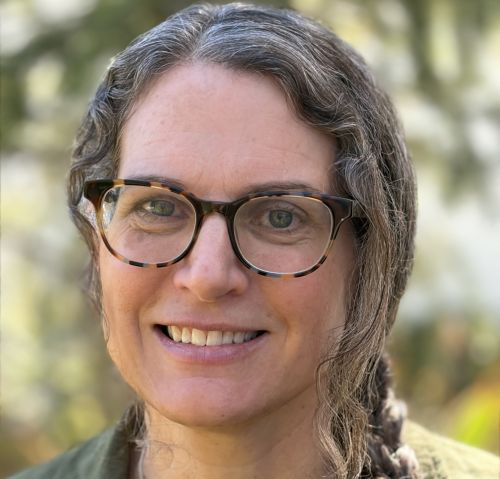
- Why do you want to serve on City Council? What do you see as your strengths as a member of Council?
My great-grandmother was born in Rossland in 1901. I have lived here most of my life, and my three sons’ lives are richer for belonging to this community. Rossland is the place I feel most connected to. Its people have nurtured, supported and challenged me throughout my life, and having recently returned home, I am running for Council to give back.
My Bachelor of Science in Nursing degree prepared me to be an accountable decision-maker, drawing on peer reviewed evidence, relationships and different ways of knowing. It taught me to assess before acting, to anticipate and respond to the changing needs of the people I serve, and to contribute my knowledge and voice to team-based work that strengthens systems. My experience in change management has shown me how good plans become lasting practice. I continue to practise critical inquiry and self reflection, and I ask the questions that test whether a plan will work. I believe in building on the strengths a community already has, and I value efficiency and the thoughtful use of technology and innovation. I am approachable, I listen, and I am willing to be proven wrong. I can disagree respectfully and continue working constructively with colleagues.
I describe myself as a realistic idealist. We are facing serious financial and environmental pressures, and the strength of our community connections to one another are central to our collective health, safety and resilience. I do not want to do this work for Rosslanders, I want to do it with them.
- If Rossland must cut any services or lose any amenities to keep taxes manageable, which ones do you think are least essential and could be lost without impacting community life unduly? How much money would that save?
Like many households the City is under real financial strain, and the five-year financial plan describes the pressures: rising operating costs, critical infrastructure and maintenance needs, and the risk of higher costs and service disruptions if investment is delayed. Hypothetically, we terminate every recreational and social service the City currently provides, and cancel all financial and in-kind support to community organizations, would we recover enough to fund our budgetary shortfalls? The answer is no. What would our community look like after we lose those services? Unrecognizable. Cutting services alone will not solve our financial pressures, but it is imperative trim expenses and supplement the external revenue we have available to fund them. Many of these recreational and social services exist because volunteers came together to create them in the first place and their work continues to sustain them. Staff are acknowledging those contributions cannot be captured within a spreadsheet but they are part of the value. I believe the residents and groups who are actively working to sustain these services should have a meaningful opportunity to contribute and to propose creative solutions, such as sharing facilities, extending the timeline for maintaining these service levels, or finding other sources of funding. Continue to prioritize grants and senior-government partnerships, identify barriers to applying for them, use technology to improve efficiency, and look for savings across all City operations. Being clearer with residents about what improvements have been funded by grants vs added to the operational expenses could help with the optics. I am hearing everywhere that volunteers are operating within the ‘do more, with less’ mantra – and public perceptions of the existing efforts that City Hall is making to do the same, matter. A community that works through these challenges together, is stronger for it.
- Should Councillors explain their reasons at Council meetings for how they vote, when there is not unanimous agreement? Why or why not?
Under BC’s Community Charter, a City Councillor has no explicit legal obligation to verbally explain or discuss the rationale for their vote during an open meeting beyond the declaration of a conflict of interest.
I believe there is value in taking the discussion further and exploring the rationale behind a vote, especially when the Council is closely split on the outcome. Council acts as a body, but accountability is individual. At the end of a split vote all most people see is a number: four to three. The reasoning, which is the part that could help someone understand their own local government, disappears unless we say it out loud.
There are three reasons I think this matters. First, it builds trust. The reasoning is what allows people to understand and trust their local government, even when they disagree with a decision. Most split votes are they are genuine disagreements about risk, timing, or trade-offs. Discussing your rationale behind your vote potentially defuses a great deal of unnecessary conflict. Second, it models respectful disagreement. Disagreement doesn’t have to divide us. A Council that can vote differently and explain why, without personalising it, demonstrates something our community needs. Third, it creates a record. Future councils inherit decisions without context. Stated reasoning is institutional memory.
Obviously, this must be balanced within the context of an efficiently run meeting, but if the vote is split, I believe these discussions should be part of that process. If I cannot explain a vote, I should think harder before casting it.
- Do you understand the distinctions between municipal powers, provincial powers and federal powers? Explain. And, do you understand the meaning of the word “intermeddling” and how it may apply to the relationship between councillors and staff members?
Municipalities are established by the Province and operate under the Community Charter and Local Government Act. Under the Charter, the “purposes of a municipality include providing for good government of its community, providing for services, laws and other matters for community benefit, providing for stewardship of the public assets of its community, and fostering the economic, social and environmental well-being of its community.” In practice, that means services such as water, sewer, roads, parks, land-use planning and local bylaws. Provincial responsibilities include health care, education, provincial highways and provincial housing policy. Provinces also have exclusive jurisdiction over the management, exploration and development of non-renewable natural resources, forestry and electrical energy within their borders. The federal government is responsible for areas such as criminal law, fisheries and national defence. Through the Regional District of Kootenay Boundary, Rossland also shares services such as regional sewer treatment and fire rescue with neighbouring communities and contributes its share of the costs. As Trail and Warfield study amalgamation, Council should watch how these arrangements may change for Rossland.
Understanding these distinctions allows Council to be clear with residents about what it can deliver, and to advocate where it cannot.
Intermeddling refers to a councillor interfering with, or attempting to direct, municipal staff outside the authority of Council. The Community Charter prohibits interfering with, hindering or obstructing municipal staff in their duties. Council directs staff only as a body, through the Chief Administrative Officer. Its important to respect that boundary, because it protects staff and keeps decisions accountable to the public.
- It is not within Rossland, but if it happens it will affect Rossland, so what are your thoughts about the proposed open-pit mine on Record Ridge? What would be your position on it as a Council member?
Many Rossland residents are concerned about Record Ridge, and I share those concerns. Residents are frustrated that current legislation didn’t require a full Environmental Assessment as part of the approval process for this project.
Rossland owes a great deal to the volunteers who have kept these concerns in front of provincial decision-makers.
Council’s role here is different. The proposed mine site is outside our municipal boundaries and the decision is provincial. Council can’t control the outcome, but it can influence it within its legislated framework. That means speaking clearly about the potential impacts on Rossland and working with senior governments to apply their own safeguards in full.
The Environmental Management Act permit, which governs what enters our air and water, has not yet been approved, although a draft has been issued. As a councillor, my position would be to ask Council to formally submit its position as a stakeholder to the Ministry of Environment and Parks as the permit authority. That submission should articulate the forecasted impacts on Rossland, highlighting concerns within the scope of this permitting process, requesting that a Technical Assessment Report be included, including the plan for a monitoring program.
- Please give your opinions on climate change and municipal efforts to curb it. Do you think municipalities have an important role? What would you like Rossland to do?
Rossland has a sound climate action plan. Continued efforts must be made to enact the initiatives already identified, with progress reported publicly each year and with a view to educate and encourage residents to become part of the process. Previous Councils have known they play an important role, both in reducing emissions and in protecting the health and safety of residents.
Rossland experiences heightened impacts of climate change through wildfire, smoke changing weather patterns and drought. These pressures affect our health, our economy and our lifestyles.
Climate impacts do not affect everyone equally. Income, age, disability and housing all shape who can prepare and recover, so our programs should be accessible to all residents, not only those who can afford to participate.
Most of Rossland’s emissions come from vehicles and home heating, so I would support home energy retrofits and improved walking, cycling and public transit connections. To protect residents, I would support backup power for critical water infrastructure, clean-air spaces during smoke events, protection of our watershed and strengthening and rehearsing our emergency response, ensuring residents understand and can respond to the recommended course of action when under evacuation orders.
We have outlined our action plan and the framework to enact it. Lasting changes will come from continued efforts to educate, persuade and improve community engagement.