

Finance Committee Calls for Expanded Home Support — B.C. Must Now Remove the Financial Barriers

By Contributor
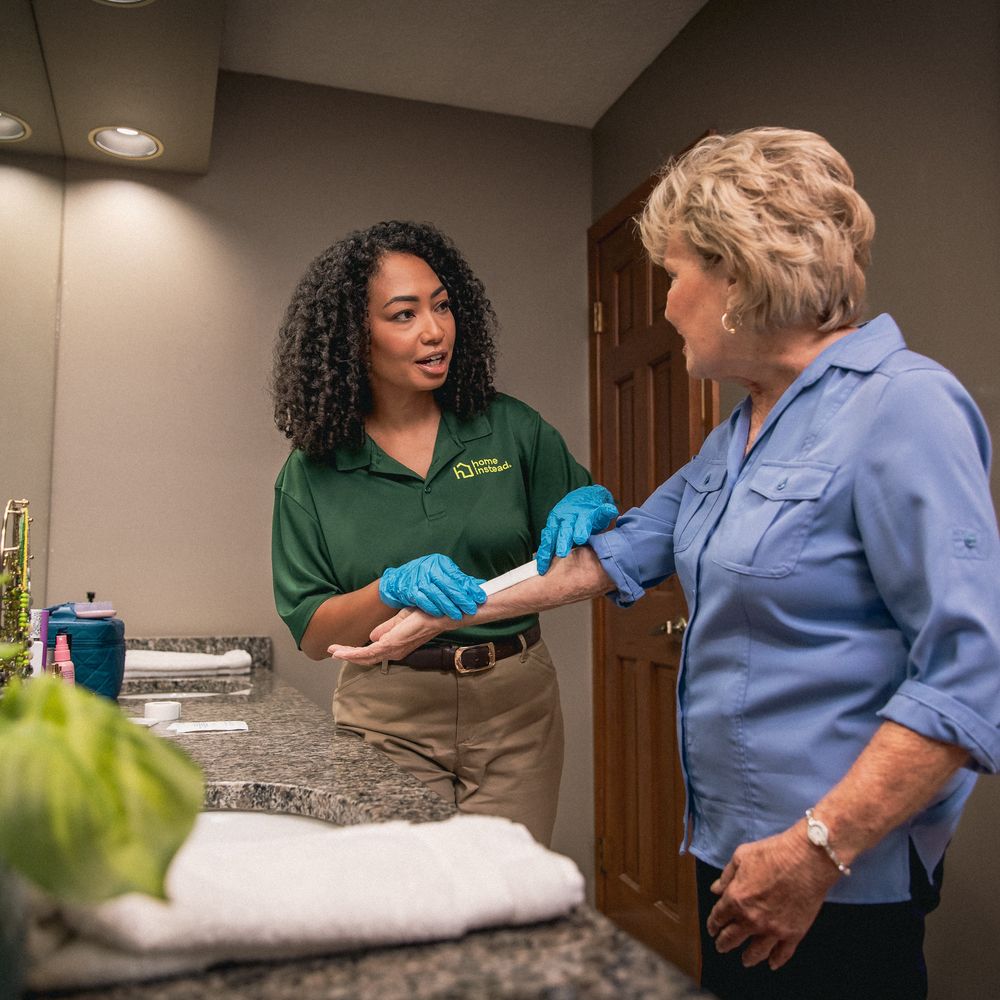
The Health Care Needs Home Care campaign welcomes the Select Standing Committee on Finance and Government Services’ recommendation that B.C. “invest strategically to support seniors to age at home safely” by expanding publicly subsidized home support and advancing a cross-ministry home health model.
The recommendation is an important recognition that supporting seniors at home is both what people want and what the health system needs.
But expanding home support is only meaningful if seniors can afford to use it.
The Health Care Needs Home Care campaign is calling on the provincial government to take the next step in Budget 2027: eliminate co-payments for publicly subsidized home support.
“We are encouraged that the Finance Committee has recognized the importance of expanding home support,” said Leslie Gaudette, President of the Council of Seniors Organizations of BC (COSCO). “But access is not real if seniors cannot afford the care they have been assessed as needing. A tax credit for privately purchased care does not remove the financial barrier within the public system.”
Home support is essential health care
For many older British Columbians, home support is not optional. Assistance with bathing, dressing, mobility, meal preparation and other daily activities can be what makes it possible to remain safely and independently at home. Yet under the current system, many seniors receiving publicly subsidized home support must pay income-based co-payments.
For seniors on fixed or modest incomes, even these costs can force impossible choices between rent, food, medication and care.
Health care needs home care — and home care must be affordable and accessible to all BC seniors.
Expanding publicly subsidized home support should not mean offering seniors care they cannot afford to accept.
A tax credit is not a substitute for accessible public care
The Committee recommends a tax credit for seniors who purchase private home support. Most BC Seniors live on under $35,000 per year in income. Many pay no tax at all. A tax credit won’t help those that need home support the most.
The campaign supports measures that help seniors access care, but tax credits are not a substitute for removing financial barriers in the publicly funded system.
A tax credit:
- does not eliminate co-payments for publicly subsidized home support;
- does not help people who cannot afford to pay for care upfront;
- may provide little or no meaningful benefit to seniors with very modest incomes; and
- shifts responsibility for essential care onto individuals and families.
The core issue is simple: if a senior is assessed as needing publicly funded home support, cost should not prevent them from receiving it.
Home health must include affordability
The Committee’s call for a cross-ministry home health model is a significant and welcome direction.
A strong home health system must connect health care, home support, rehabilitation, equipment, community services and caregiver supports. It must also recognize that affordability is a fundamental part of access.
“Expanding home health is the right direction, and one we have been fighting for,” said Jeff Moss, Executive Director of the Jewish Seniors Alliance of British Columbia. “But we cannot build a system that supports aging at home while maintaining financial barriers that force seniors to go without needed care.”
The Health Care Needs Home Care campaign also supports the Committee’s recommendations on workforce training and equipment, which are essential for safe and effective home care. These investments must be matched with action on affordability.
Budget 2027: The opportunity to make home support accessible
As demand for health and continuing care grows, supporting seniors at home can improve quality of life, strengthen family caregiving and reduce pressure on hospitals and long-term care.
The Finance Committee has identified expanded home support and a cross-ministry home health model as strategic priorities.
The Health Care Needs Home Care campaign and its partners and affiliates are urging government to build on this momentum with one clear policy change in Budget 2027: Eliminate co-payments for publicly subsidized home support.
Health care needs home care. And home care must be accessible to the people who need it.