
Op/Ed: Concussion affects 1 in 10 youth athletes every year. Here’s what needs to change.
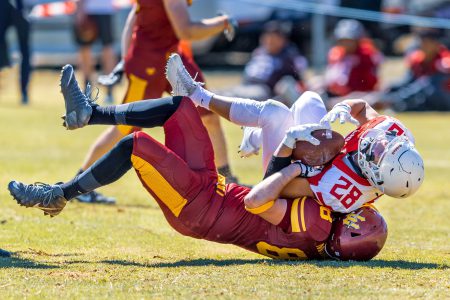
By Carolyn Emery, for The Conversation While sports facilities and leagues are still gauging how and when to reopen in the wake of the coronavirus, now is the best time to think about concussion prevention: before young people get back on the playing field. The benefits of sport and physical activity are significant, and yet,...
Opinion: After COVID-19, what sort of world will we aim for?

Readers will already have read some articles about what our society needs to do to build a better world post-COVID-19. Analyzing our world as it is now rapidly reveals an urgent need for major change on many fronts. Many of us seem to share a hope that the pandemic will provoke serious, multi-faceted assessment of our current...
Op/Ed: Laying the groundwork for tourism to come back strongly
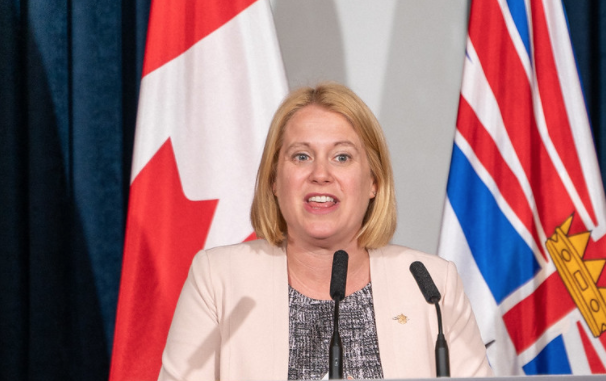
The tourism industry is a major economic engine and job creator for people in British Columbia. Despite the deep and sudden impacts of COVID-19 on the sector, B.C.’s tourism leaders were quick to put the greater good of our communities above anything else. To assist in the pandemic response, many hotels throughout the province swiftly […]
Editorial: Dirty tricks and our elections

Remember the Cambridge Analytica scandal ? -- when a right-wing company “harvested” information on millions (maybe 50 million, maybe up to 87 million) of its users from Facebook, without their knowledge or permission, and sold it to the election campaign of Donald Trump, and possibly others, to influence voters by “psycho-targeted”...
MP Cannings: It’s time to take a serious look at basic income in Canada.
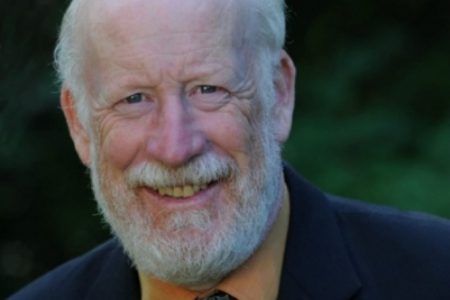
COVID-19 has obviously changed our lives in the short term, and now there is a growing consensus that the pandemic will also bring more long-lasting changes to our society—how we value workers, how we treat our seniors, how we house the homeless, how we protect the environment, and more. One topic that is surfacing more and...
Column: Concurrent crises expose systemic flaws
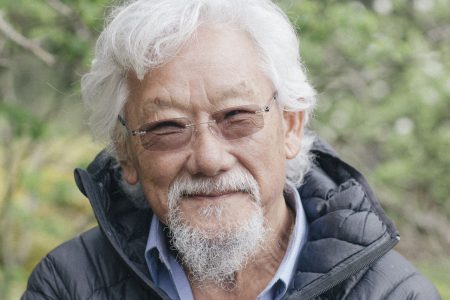
The coronavirus spreading COVID-19 around the globe isn’t the first disease microbe suspected to have jumped from other animals to humans, nor will it be the last. That we know to a large extent why so many diseases are making that leap should help us resolve the problem. Dealing with a swiftly spreading illness with many...
Op/Ed: Private gain must no longer be allowed to elbow out the public good

By Dirk Philipsen; first published in Aeon Adam Smith had an elegant idea when addressing the notorious difficulty that humans face in trying to be smart, efficient and moral. In The Wealth of Nations (1776), he maintained that the baker bakes bread not out of benevolence, but out of self-interest. No doubt, public benefits...
Column: Hornet hysteria, and our troubled pollinators
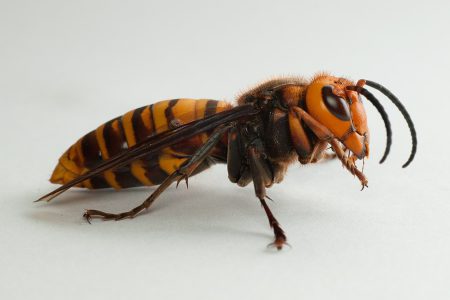
As if we didn’t have enough to contend with, now we’re facing a “murder hornet” invasion — but it’s more an invasion of newsfeeds than an actual descending plague of killer insects. Numerous media outlets have carried ominous stories about whether the giant hornets will pillage honeybee...
Column: Rewilding
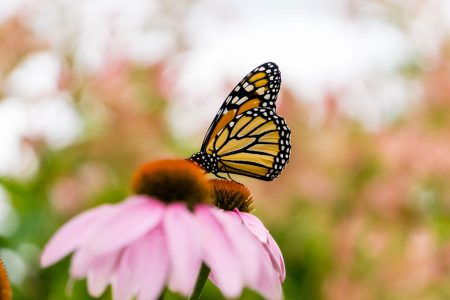
In early 1995, eight grey wolves were transferred from Jasper National Park in Alberta to Yellowstone National Park in the U.S. Within two years, 23 more were brought in. The last wolves in Yellowstone had been killed in the 1920s. What happened next was remarkable. Over time, the wolves not only reduced rapidly increasing...
Column: From the Hill -- For a fairer, safer, healthier society
At this time of year, we mark two days to remember the contribution and sacrifice that workers make for our society--the National Day of Mourning on April 28th and International Workers Day on May 1st. On the National Day of Mourning we remember those people who died in the course of their work. People who went to work in ...