
Hitting the Road with Your Pet? Keep them Safe

By Contributor
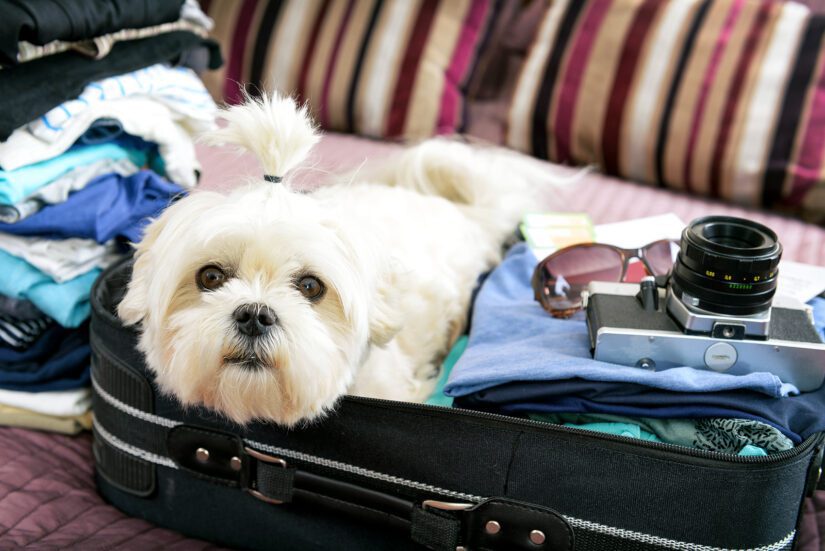
The Canadian summer is also family vacation season, and in many cases that means trips to the cottage or heading out in an RV or tent to enjoy the great outdoors while camping.
And the family excursion is not complete without their furry companions. Pets can be great at the cottage or campsite, but it is important that families prepare both themselves and the pet for the change of scenery.
“A safe trip to enjoy the outdoors with your pet can be great, but it depends heavily on thorough pre-trip preparation and awareness of where you are going,” says Heather Quilty, a registered veterinary technician and program manager for clinical learning from
The experts at VetStrategy offer the following advice for a safe and fun trip:
-
Preparation — This is more than just carting the animal into the car and heading out. Ensure the pet is microchipped in case they wander off, and snap several current pictures of the pet just in case you need to put up “Missing” posters. Woody and grassy areas are also high risk for ticks, fleas and other parasites, so make sure to secure your pet with oral or topical preventatives before heading out. Finally, ensure your pet’s vaccinations are up to date.
-
Geographic Awareness — The point of camping or cottaging is to get away from it all, but in case of an emergency it is good to know the surrounding area and any veterinary clinics nearby. Do some research before you leave and jot down the coordinates of the nearest clinic and nearest 24-hour animal hospital.
-
Fresh Water — Dog owners know their pooches will drink from almost anywhere, but “wild water” like lakes, rivers, streams or ponds can contain severe threats like blue-green algae, bacteria or parasites. Pack plenty of clean, bottled water and collapsible dishes.
-
Cleaning Area — Scout a place where you can clean your pet. If they love the water and don’t hesitate to jump in the lake, give them a thorough cleaning afterwards, and dry them completely. Lake water can contain bacteria that, if left on their fur, may cause itching and irritation.
-
Watch for Wild Plants — Best to keep you pet leashed, but even still be aware of the flora where they may be sniffing and exploring. Check their fur regularly for burrs, thorns and foxtails. If a dog licks or swallows foxtails, they can get painfully lodged in their throats, causing dry heaving and dangerous infections.
-
Watch for Wild Animals — Avoid the risk of scuffles and potential exchange of germs and disease. Ensure you have a safe place for your pet to go if another animal is snooping nearby (and not in a closed, stationary car! That could be fatal). Just in case that encounter is with a skunk, pack an emergency kit that includes hydrogen peroxide, baking soda and liquid dish soap (but do not pre-mix them, as they are unstable when stored together).
-
Watch for Hazards — Keep your pets strictly supervised around open campfires, hot coals and toxic human foods like chocolate from s’mores. Secure all food, including pet food, immediately after feeding to prevent attracting potentially aggressive wildlife.